Search
There are no ads matching your search criteria.

Sen. Gonzalez Tackles AI at OANA Monthly Meeting

State Senator Kristen Gonzalez (left) and Richard Khuzami of OANA.

By COLE SINANIAN

cole@queensledger.com

ASTORIA — State Senator Kristen Gonzalez wants your personal data to stay personal.

Having sponsored a series of ambitious bills aimed at limiting tech companies’ access to New Yorkers’ personal data, the Elmhurst native is on the forefront of the push to regulate the tech industry at a time when artificial intelligence seems to be creeping into every corner of society.

During an online meeting on March 25 hosted by the Old Astoria Neighborhood Association (OANA), Gonzalez outlined several of her recent bills, including legislation that would stop the MTA from sharing rider data with law enforcement and restrict government agencies’ ability to use artificial intelligence tools.

Gonzalez, a Democratic Socialists of America-endorsed senator who began her legislative term in 2023, has sponsored and introduced several AI bills, including the landmark Senate Bill S1169A  — also known as the New York AI Act — which would give the state government the tools to prosecute AI companies by authorizing independent audits and prohibiting algorithmic discrimination. Gonzalez also sponsored Senate Bill S3044, a bill that would empower consumers to obtain the names of all entities collecting their data, and has supported Assembly Bill A5739, or the ‘Secure Our Data” Act, which would compel state agencies to develop a standardized data protection framework regarding state-held consumer data.

Her bill, the “legislative oversight of automated decision-making in government” act (LOADinG) was  recently signed by Governor Hochul and aims to regulate the use of generative AI by government agencies. At the OANA meeting, Gonzalez explained that prior to the bill, there was no public reporting on which AI tools the state government was using. The now infamous MyCity chatbot, for example, an AI tool for small businesses implemented by the Adams Administration, encouraged users to break the law by suggesting that business owners should take a cut of their employees’ tips.

“These aren’t perfect  tools either, and I think we have to be mindful in what context we’re using them,” Gonzalez said. “A lot of them have kind of been sold as these silver bullets but at the end of the day, you should always be in control of the data that’s being used, where that tool is sending information.”

Gonzalez also called attention to her efforts to secure rider data collected by transit companies through her bill, SB S4886A, which would prohibit the disclosure of individual fare payment data to outside agencies. Transit companies like the MTA collect rider data that shows their movements— possibly sensitive information that could compromise rider privacy if shared with law enforcement or tech companies without their knowledge or consent, Gonzalez argued.

“Sometimes it’s not just a single company or an authority like the MTA that’s suddenly getting a lot of data about you that could be used for a number of purposes,” she said. “Sometimes there are companies that are literally dedicated to taking that and buying and selling and creating an entire market around it.”

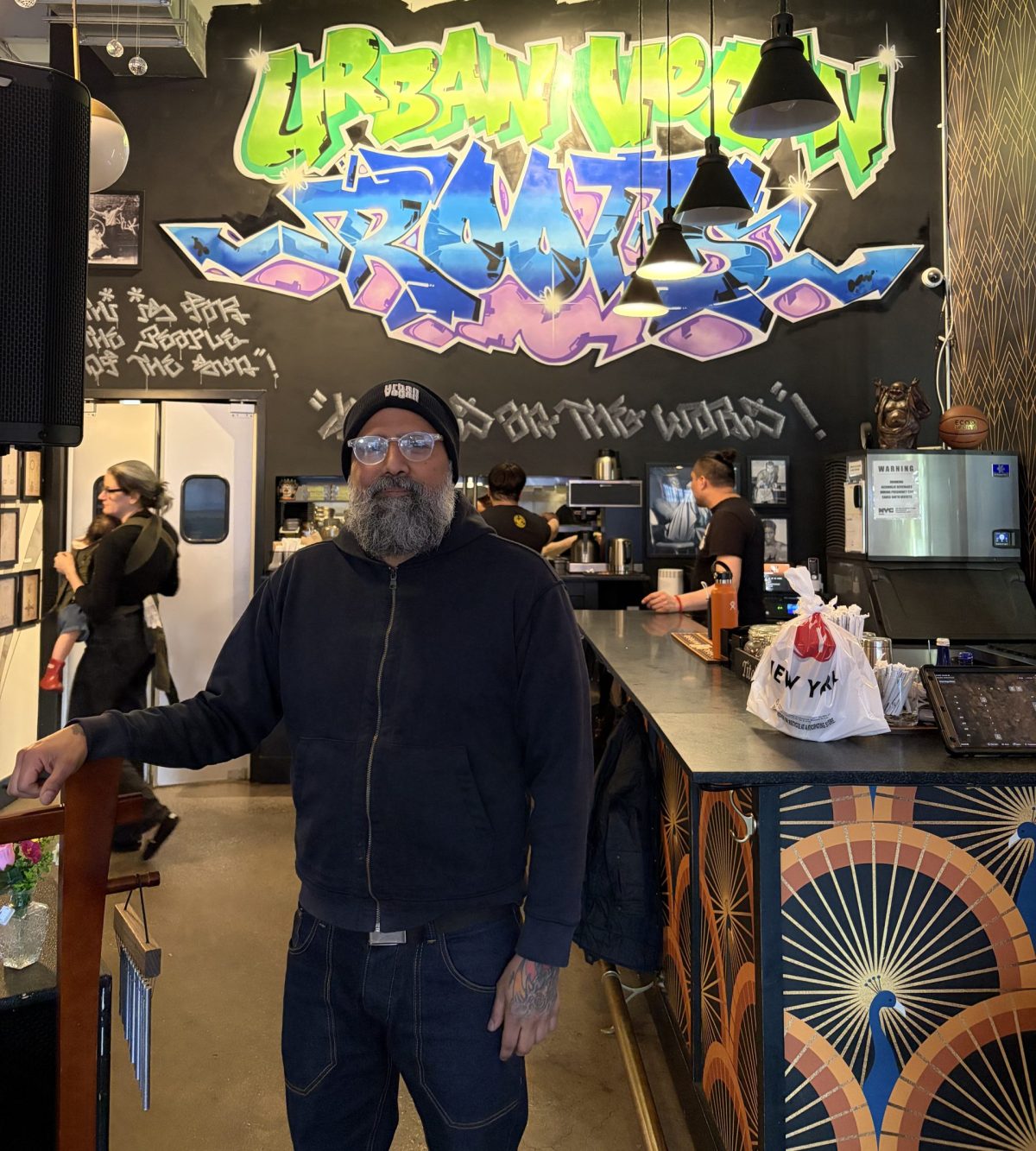
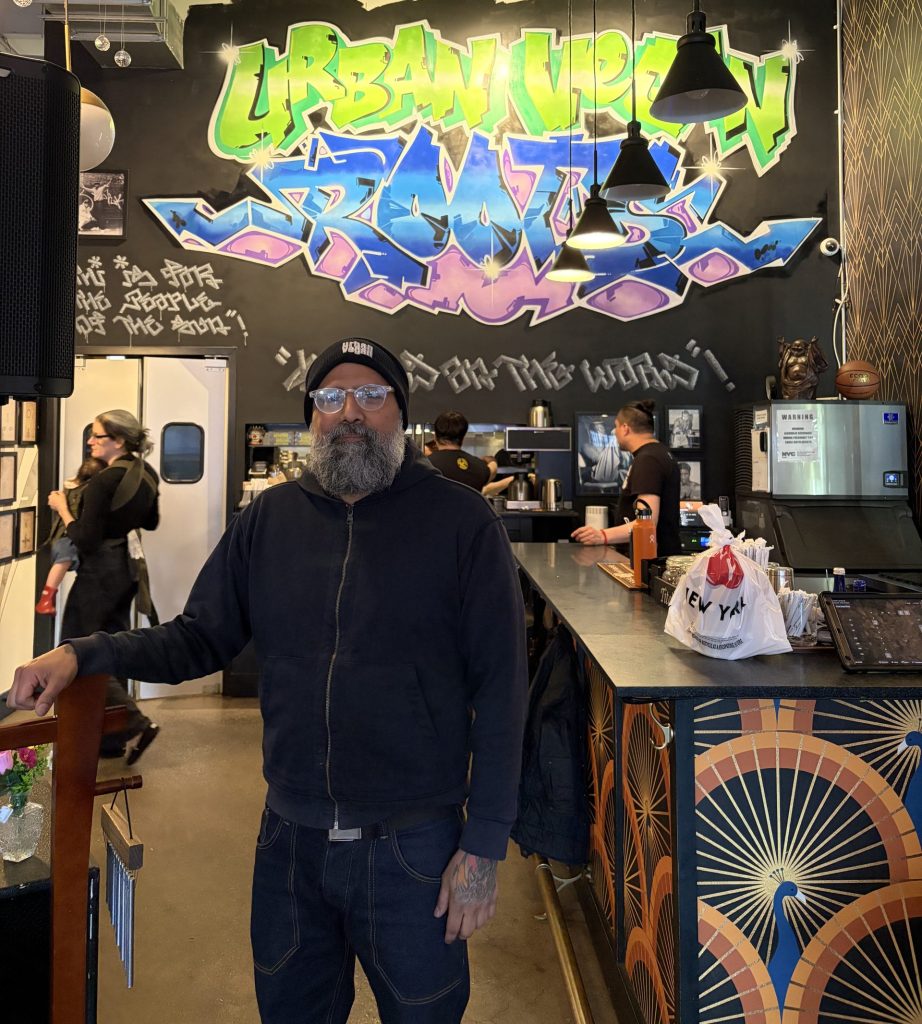
Urban Vegan Roots Closes Its Doors

BY MARYAM RAHAMAN

ASTORIA  — Jackson Heights native David Tianga grew up in the Golden Age of hip-hop. For Tianga, owner of plant-based restaurants Urban Vegan Kitchen and Urban Vegan Roots, hip-hop and veganism share key traits: giving a middle finger to the system and trying to live optimally. 

Urban Vegan Roots, Tianga’s second restaurant, recently closed its doors in Astoria this Sunday. The restaurant was not only a vegan staple in the neighborhood, but a community space. Tianga said there were a compilation of factors behind the location’s closing, including the accrual of debt after the restaurant opened in May 2022, several months behind the original schedule. Urban Vegan Kitchen, Tianga’s first restaurant which opened a decade ago, will continue business in Chelsea. 

Before working as a restaurateur, Tianga worked for years in theater and television writing. After two TV show pilots that didn’t work out, he started working part-time at Blossom du Jour, a vegan restaurant owned by Pamela Blackwell. Though Tianga intended to continue writing, he ended up becoming Blackwell’s general manager—looking for stability writing couldn’t provide. 

When Blackwell went to close a restaurant, Tianga pitched his idea for Urban Vegan Kitchen. At the time, Tianga said vegan spaces weren’t speaking to the multiculturalism of the city. Though incorporating graffiti and sports into the space turned some vegans off at first, the space and its audience grew together. 

“People like us were looking to turn vegan,” Tianga said. “So they wanted a space where they felt they could go eat and feel like ‘I belong here.’ This is built for me. I’m not going into somebody else’s house.” 

A few years later, Tianga opened Urban Vegan Roots, bringing a culture he loved to the borough where he grew up. As a long-time yoga practitioner, some of his favorite moments in the space were yoga classes open to the community. Last December, CBS News reported that Zohran Mamdani first spoke of his plans to run for mayor to his longtime friend State Sen. Jabari Brisport at the restaurant. 

Tianga also said that while the restaurant received a lot of take-out orders, there were comparatively less customers dining in—and more money going to delivery apps rather than the restaurant itself.

“People right now don’t want to have a good time because they don’t want to celebrate anything. And why would they? That’s why people go out to eat: to celebrate. What are we celebrating?” Tianga said. “Why am I gonna go spend $50 when I could just stay home, watch my Netflix, zone out, get my food delivered?”

For Tianga, the lack of dining out also represents a shift away from creativity in the New York restaurant business, especially for those not backed by investors. 

“Are people moving here for Eataly, for Whole Foods, for Starbucks? Is that why kids are moving here? I don’t think so,” Tianga said. “They’re moving here for authentic New York City culture, and that is an artist coming here with a dream, creating something, building it, making it their own. It doesn’t mean you have to be born here, but it means you’re putting your voice in and it’s authentic and it’s unique.”

When asked what customers can do, Tianga said “If you really love a restaurant, try and go there as much as you can.” He also recommended trying to order take-out directly from the restaurant if possible to avoid the cuts delivery apps take. 

Urban Vegan Kitchen in Chelsea, open seven days a week, can be found at 265 W 23rd St. One regular, who recently moved to Queens, told Tianga she’d be making the trip there often. 

Tianga said that part of the reason why the Chelsea location performs better is because of tourists who are interested in an authentic experience. 

“A tourist will come to our spot in Chelsea, hear the hip-hop, hear the reggae…and they’ll be like ‘Oh wow. This is real. This is what I came to New York for,’” Tianga said. 

Tianga said the final moments of the restaurant felt like a “funeral.” 

“I see other restaurants go through the same thing, like, they’re suffering,” Tianga said. “Then they announced they’re gonna close, and then everybody runs over there, and it’s too late.”

The Secret History of the Miller Hotel

Now a toddler center, this LIC street corner was once a favorite gambling spot of the NYC elite. 

GEOFFREY COBB | gcobb91839@Aol.com

Author, “Greenpoint Brooklyn’s Forgotten Past

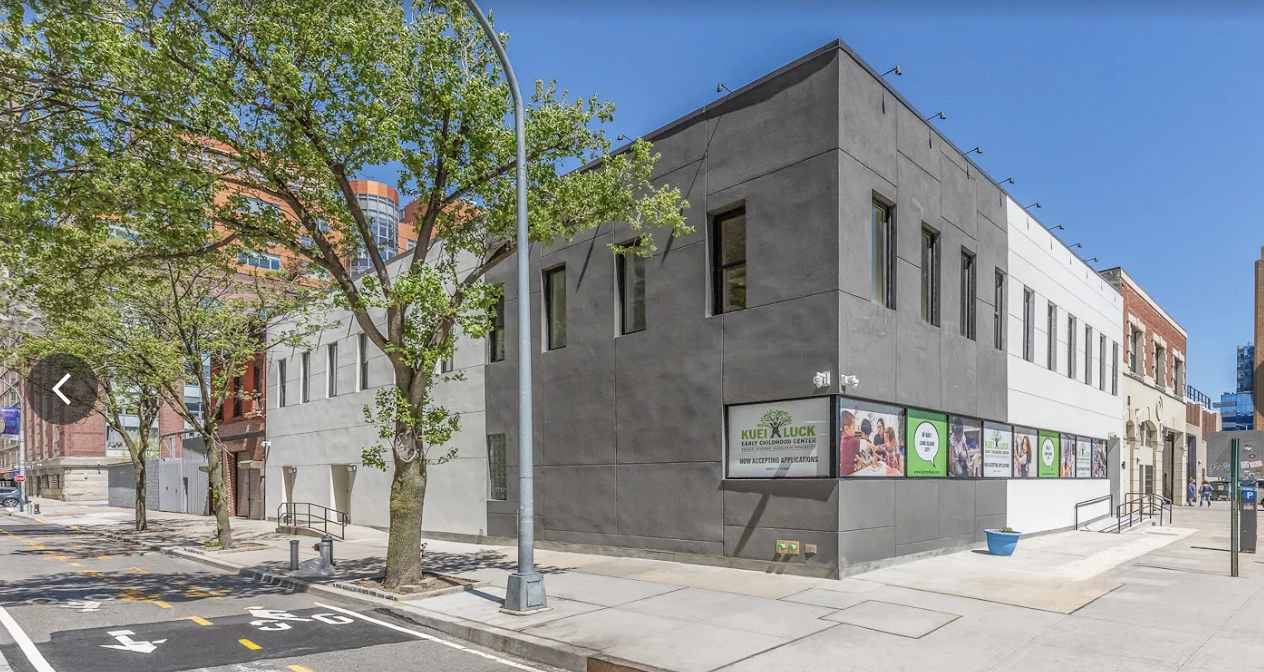
Today the innocuous Kuei Luck Early Childhood Center at 2-03 Borden Avenue in Long Island City occupies a squat, forgettable, gray building, where it teaches toddlers. The heavily renovated building, though, hides a colorful past. The site was once the legendary Miller’s Hotel. Until the construction of the Queensboro Bridge in 1909 and the Pennsylvania railroad tunnel the following year, it was the most popular bar in Queens and on all Long Island. The hotel bar was reputed to be the largest in New York City. The twenty bar tenders who worked the large horseshoe shaped mahogany bar there often served 300 customers, who stood six deep around the bar. The income of the hotel was frequently said to be a staggering $10,000 a day, at a time when $5,000 would have bought a large home in Brooklyn.

The owner of the bar was the affable and charming Tony Miller, a man who had run hotels in Manhattan and Bayside prior to taking control of the hotel in 1872. Miller had previously served on the New York City Council representing Manhattan, where he was known as the “Smiling Alderman.” He became a friend of all the major Democratic politicians in New York City, including Richard Croker, Senator Tim Sullivan and other leaders who were frequent visitors.

The hotel had a perfect location, situated directly across from the Long Island Railroad depot travelers exited before taking the Manhattan ferry. A generous soul known for his philanthropy, Miller made a fortune there, which allowed him to dress regally. He was often seen in a light-colored suit with a white tie, a hat like Buffalo Bill and diamonds in the buttonholes of his shirt.

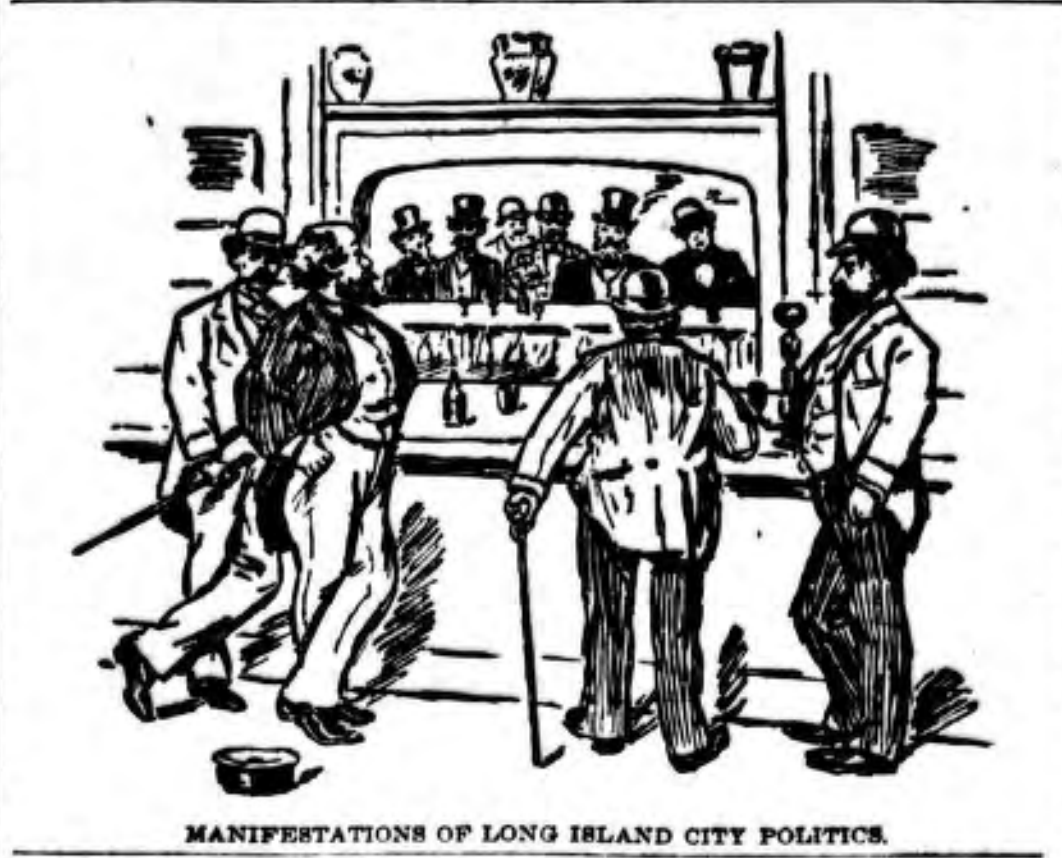
A cartoon drawing from the New York Tribune of the Miller Hotel’s bar. Photo via  Geoffrey Cobb.

Celebrities frequented the place. In 1888, World Heavyweight champion John L. Sullivan returning from a friend’s funeral bought all the customers of the bar a drink, the first of Sullivan’s regular visits.  Millionaire “Diamond Jim” Brady and his girlfriend soprano Lillian Rusell were frequent guests there. Teddy Roosevelt visited Miller’s prior to embarking for Cuba with his Rough Riders, as well as ex-president Grover Cleveland, who was spotted drinking at the hotel bar.

The hotel was the place bar-none to gamble in New York City. The Las Vegas of its day, dozens of bookmakers frequented the bar. There was a 24/7 non-stop poker card game going on in a room in the back. In 1919, The New York Times reported, “Whenever the “lid” was clamped down in New York City or Brooklyn, the sporting fraternity went to Long Island City and made headquarters at Miller’s. At such times, poolrooms and gambling places were clustered thick about the place, and winnings were spent in the big, gay barroom.”  Famous politicians with massive gambling habits like Big Tim Sullivan, Tammany Boss Richard Croker and State Senator Patrick McCarren were regulars at the hotel.

The bar was for decades ground-zero of Queens politics. In 1888, The New York Press reported, “Long Island City exists on politics. Its politics plunge its inhabitants into a vortex of cursing, swearing and disorderly conduct.” It reported in a column on the hotel, “In Times of political excitement, the representatives of every political faction and party gather there.”

Long Island City was once an independent municipality run by Mayor Patrick “Battle Axe” Gleason, a six foot 280-pound terror with arms like a blacksmith, who lived for decades in the hotel. Gleason was embroiled in the politics and frequent violence of the hotel. In 1890, he assaulted Long Island Star journalist George Crowley there, breaking his nose. Sentenced to five days in jail and a $250 fine, he failed to learn his lesson. Later at the hotel, Gleason also threw a cup of coffee in State Senator Birdsall’s face and might have attacked him bodily had friends not restrained him.

Gleason’s attacks were not the only violence there. The New York Press reported, “The place has been the scene of scrimmages and shootings.”  In 1891, Long Island City’s Horse carriage line’s superintendent Alfred Moulton was shot in the back at the bar by a disgruntled car driver Moulton had fired. That same night, former Long Island City Police Commissioner William Williams, narrowly escaped death when a drunken former friend leveled a revolver at him but was subdued. The attacker then sat down and finished his drink before leaving.

The Kuei Luck Early Childhood Center on Borden Avenue in LIC was once one of New York’s most infamous political hangs. Photo via Google Maps.

In 1897, Miller died and the hotel began experiencing a slow, steady decline. In 1910, the Pennsylvania Railroad and the LIRR opened the East River tunnels, robbing the hotel of its ferry commuter clientele. The hotel finally closed in 1917, and the building was sold off in 1919, marking the end of an era.

The building was converted into a phonograph factory, and later became a warehouse. In 1975, a fire gutted the third floor, and the once elegant hotel became a dilapidated eyesore. In 1978, Anthony Mazzarella opened the Waterfront Crab house in the old hotel, which again attracted celebrities such as Paul Newman, Ed Asner and Maureen O’Hara. Hurricane Sandy badly damaged the crab house, and, after Mazzarella’s death, the restaurant closed in 2015. In 2020, the building was heavily altered when it became a preschool center.

A December 18, 1888, the New York Press article reported on the electric buzz the hotel created, describing Tony Miller’s hotel as “the hub of Long Island City” and “The most extra-ordinary hotel in the world.”  Looking at today’s drab building, it is hard to imagine the building’s rich past.

Drag, Drinks and Community at Fresco’s Grand Cantina

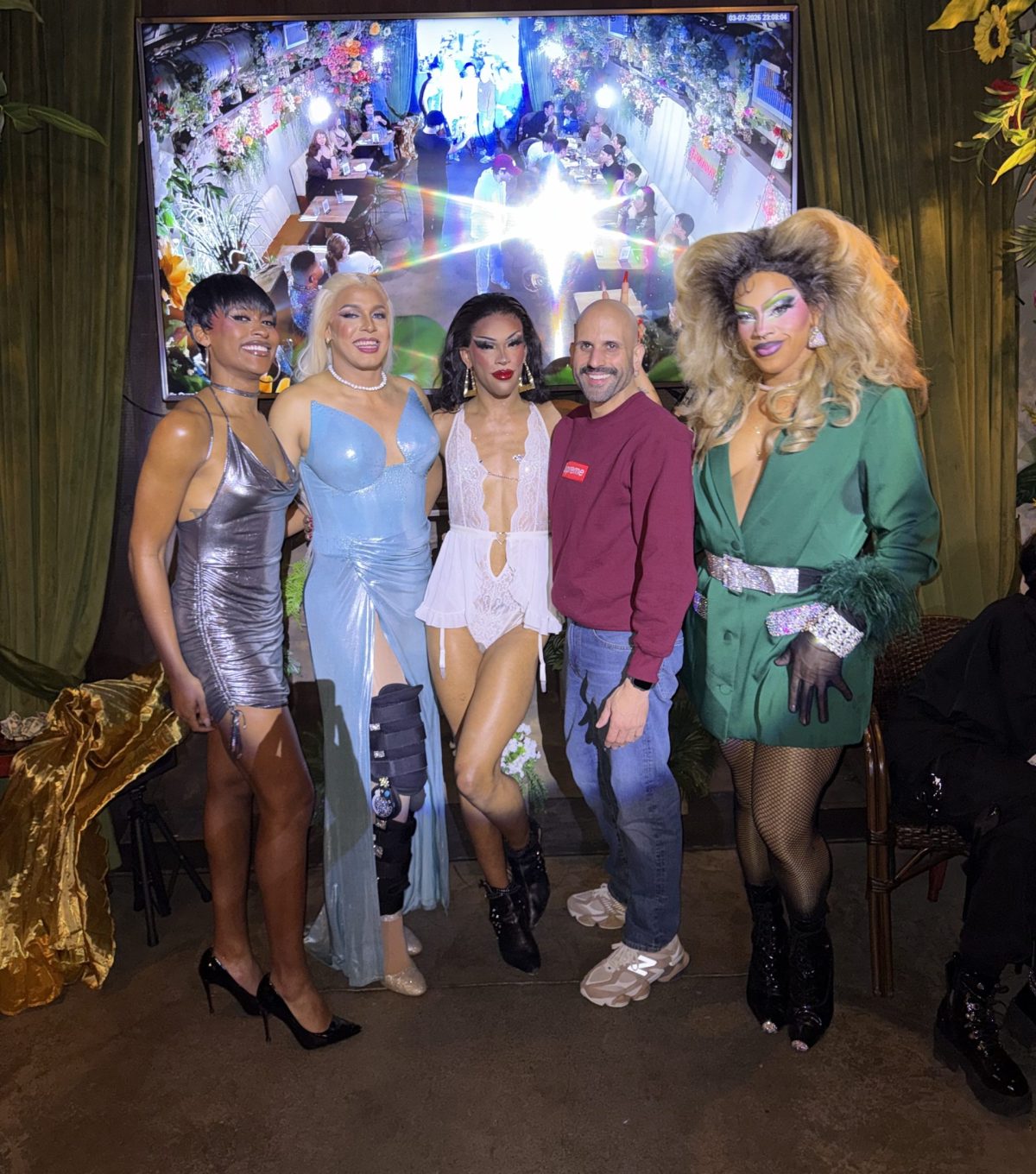
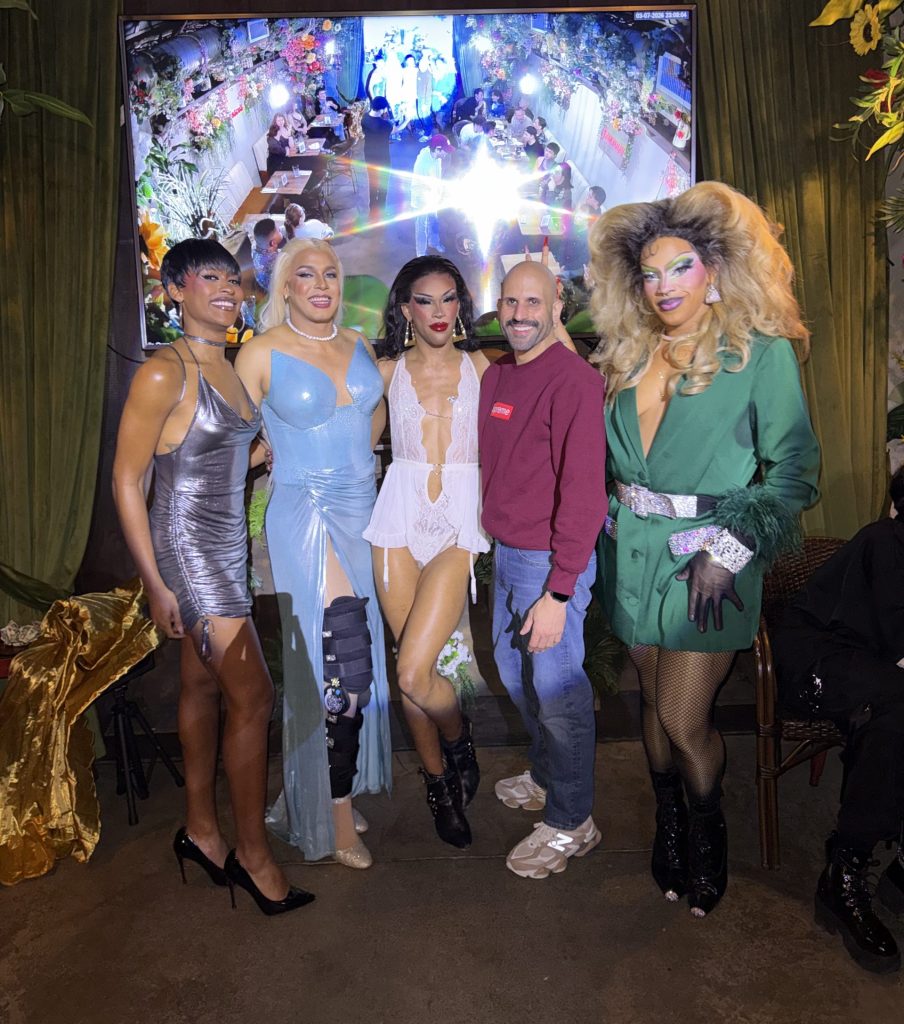
Brian “Fresco” Martinez (in red) at his restaurant with several drag performers. Photo via Brian Martinez.

Despite recent financial troubles, owner Brian Martinez remains committed to providing a safe space for the local queer community and tasty global fusion. 

BY COLE SINANIAN

cole@queensledger.com 

ASTORIA  — When Zaccary Belliveau showed up for his first gig at Fresco’s Cantina dressed in full drag — wig, makeup, heels and all — he was not expecting to see one of his old college fraternity buddies.

Belliveau had been sending Instagram messages to the owner, Brian Martinez, whose nickname, “Fresco” can be traced back to his college days. The two went to different New York colleges but knew each other from regional fraternity events, although that was long before Belliveau began performing in drag.

“It was one of those moments when you pause to look at someone and you’re like, ‘wait a minute,” Belliveau said. “We realized we knew each other and I remember he said to me — and excuse my French — ‘Bitch, I knew it was you the whole time!’”

Belliveau, who performs in drag as Inita D, is now a regular performer at Martinez’s flagship restaurant, Fresco’s Grand Cantina on 31st St. Though he’s far from the only drag performer, Belliveau may be the longest recurring cast member at Fresco’s, where Martinez has worked for years to cultivate a safe space for the local queer community, providing reliable work for Astoria’s drag performers and a never-ending stream of lively entertainment for his loyal customers.

“In terms of the queer community, Fresco’s is a crucial part because of how Brian has carried himself,” Belliveau said. “He’s looked out for his staff, he’s looked out for his business, but he’s also looked out for nightlife and the entertainers. A lot of us tend to be the first ones to get cut, when it comes to expenses for places, because we’re expendable.”

Belliveau pointed to Martinez’s COVID-era “Drag-livery” program as an example of this. During quarantine, Martinez kept his drag queens employed through something like DoorDash for drag shows, in which customers would order food to their homes that would be delivered by one of Fresco’s drag queens, who’d also — for $15 extra — perform a socially distanced song.

All in all, Martinez keeps a regular cast of about 20 drag performers on his payroll, who ensure there’s never a dull evening at Fresco’s. Even Mondays, which Martinez described as the most “chill” of the week, feature an all-night happy hour frequented by industry workers and date night couples looking for a good vibe to tuck into for the night. Wednesdays are drag trivia, during which NYC-famous performer Kizha Carr quizzes guests on a theme picked by the prior week’s participants. Thursdays are Drag Bingo, which includes, as Martinez put it, “dinner, a show and a game” as the drag queens perform sets between bingo rounds, while Friday nights are reserved for an official viewing party for the hit reality show, RuPaul’s Drag Race.

But Fresco’s is perhaps best known for its weekend drag brunches, which Martinez started at his original location on 31st and 12th, back in 2018. Saturday programming rotates, from “Boys Who Brunch” — an event that Martinez assures is the only drag king brunch in New York City — to something called “Bacon and Baddies” and later “Big Back Brunch,” the only all plus-size drag queen group in town. And then finally, Sundays feature “Chismosas and Mimosas,” a locally famous drag brunch that’s been running five years strong.

RuPaul fans or not, everyone is welcome at Fresco’s, Martinez says. Groups of guys will stroll in to drink the bar’s draught beer, while lots of younger women come for the safe space, seeking refuge from the threat of unwanted male attention. For Martinez, though — who also sits on Community Board 1 — fun and entertainment isn’t enough. Book clubs meet here regularly, community groups hold fundraising events, the local Parent Teacher Association has met here as well. Local electeds Tiffany Caban and Jessica Gonzalez-Rojas, meanwhile, have held campaign events at Fresco’s, Martinez says.

“I’m proud to have cultivated and created a safe space, especially for queer folks, but also our allies are welcome,” he said. “I jokingly call it ‘Fresco’s Grand Cantina and Community Center.”

A restaurant that does it all— the food must be mid, you might be thinking. Think again! For Martinez, who grew up in the Bronx, the menu maps his travels around the world, marrying flavors, textures and ideas not often juxtaposed into colorful and delicious — if culturally inaccurate — creations. A “Mexican Gyro” with chorizo and tzatziki, “Mumbai Empanadas,” “Latin Sushi” (nothing raw), tacos filled with jerk chicken or Pastelon, a kind of Caribbean lasagna. Martinez calls it “Mexican Fusion,” and has leaned into the theme with the restaurant’s decor, which is marked by vibrant portraits of Frida Kahlo and a beachy, Tulum-inspired dining room with plenty of sunlight and jungle plants, both real and fake.
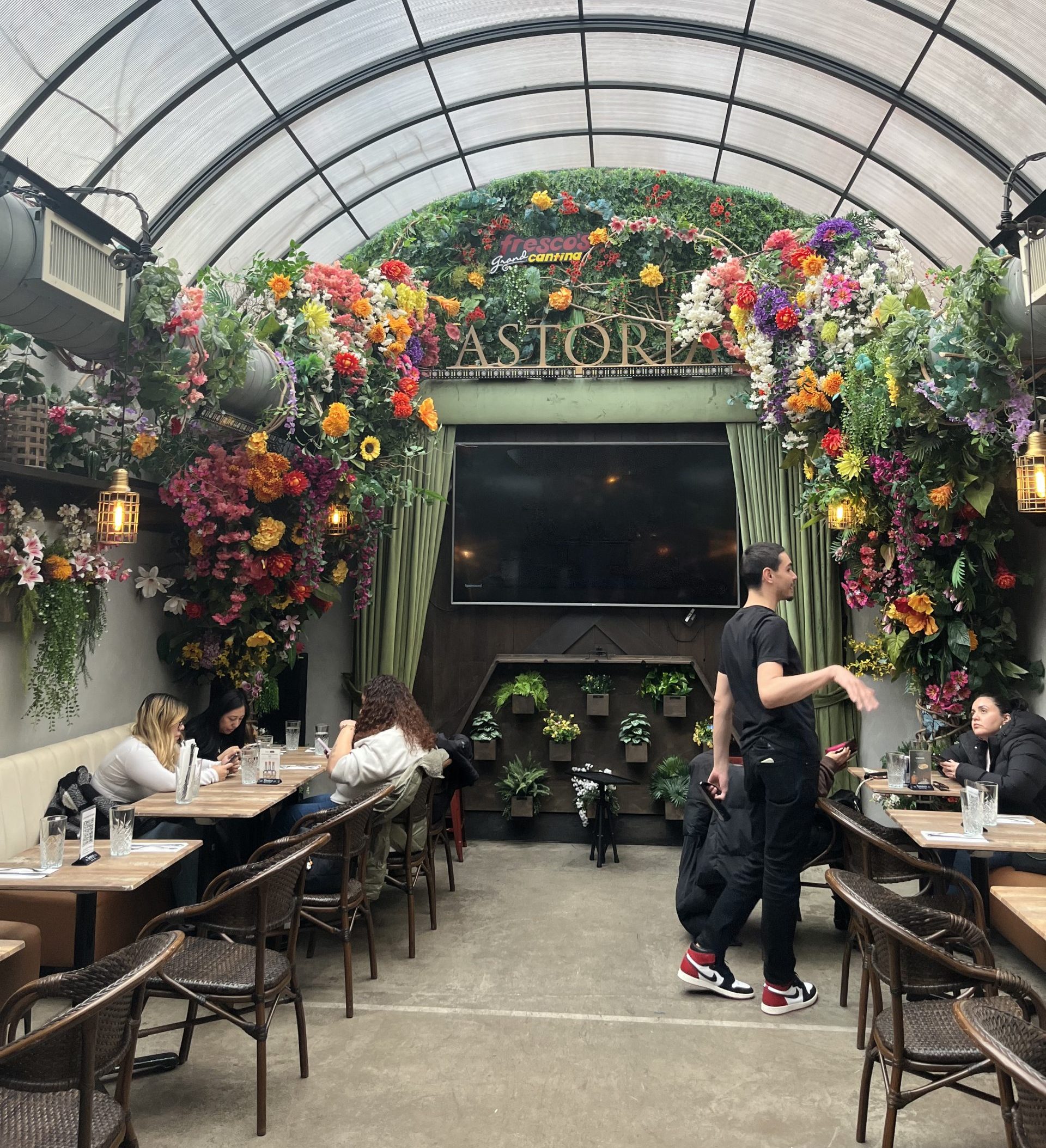
The Tulum-inspired dining room at Fresco’s Grand Cantina.

“It’s not a traditional Mexican restaurant,” Martinez said. “It’s kind of more like you’re coming to my  house. Not to discredit Mexican culture and food, but it’s a little more forgivable to have a little more fun with it.”

His creations, though, are expensive, and amid rising operating costs, high food prices and declining spending among customers, Martinez has had to get creative to keep his restaurant afloat. His rent went up 4% last year, while spiking electricity rates have forced Martinez to get on a ConEd payment plan. On March 29, Fresco’s Grand Cantina hosted a combined fundraiser and four-year anniversary party, during which Belliveau and other drag queens performed. A GoFundMe, meanwhile, has accrued some $13,000 to help Martinez cover costs and keep the business open.

Not helping the situation is that a misunderstanding regarding the controversial 31st St. protected bike lane put Martinez on the wrong side of the Astoria Reddit community, which resulted in his restaurant’s name being circulated on a local boycott list.

The bike lane’s construction was halted last year after several local businesses associated with the 31st Street Business Association sued the Department of Transportation. Martinez, who is not in the lawsuit, attended a meeting hosted by the 31st Street Business Association. Thinking it was merely informational, Martinez explained, he signed his name on the attendance sheet, which was published shortly after as a piece of evidence in the lawsuit.

“It’s an attendance sheet,” Martinez said. “I didn’t at any moment agree to anything. I didn’t sign off on the lawsuit. I see it from both sides. I’m a cyclist myself. I kind of want to stay neutral.”

To support Martinez and the Fresco’s community, head to either of his Astoria locations— Fresco’s Cantina at 12-14 31st Ave, or the larger Fresco’s Grand Cantina at 28-50 31st St.


Mayor Mamdani Joins Astoria Mosque for Ramadan Iftar

BY MOHAMED FARGHALY

mfarghaly@queensledger.com

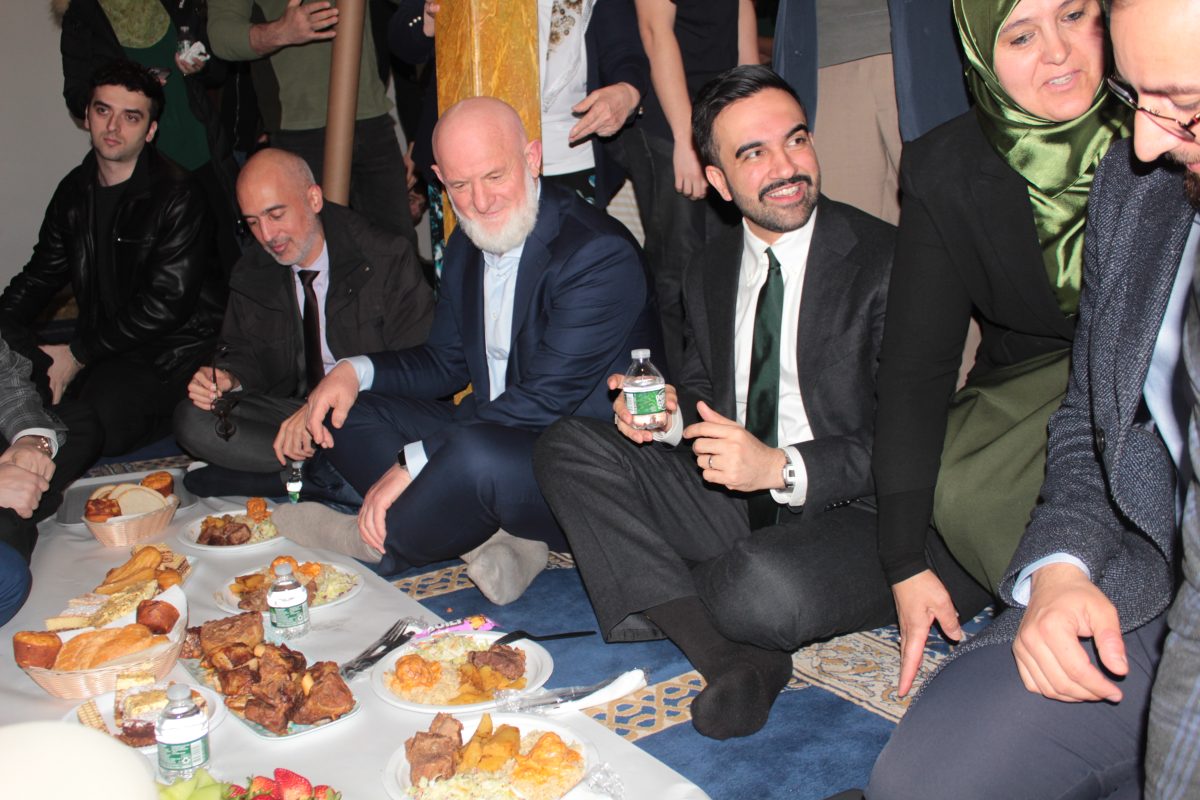
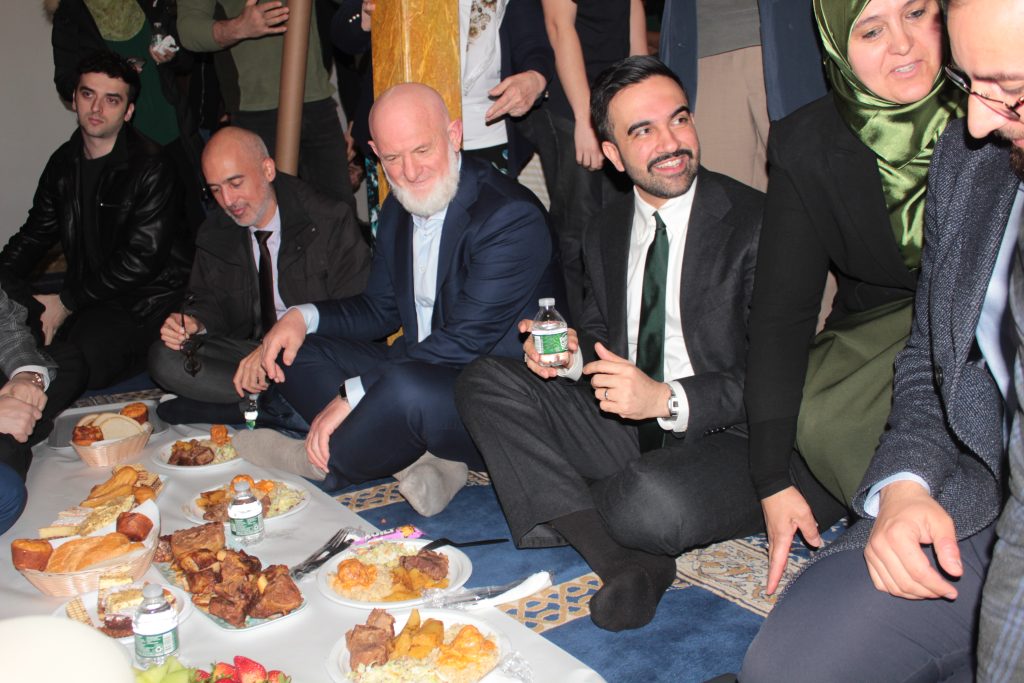
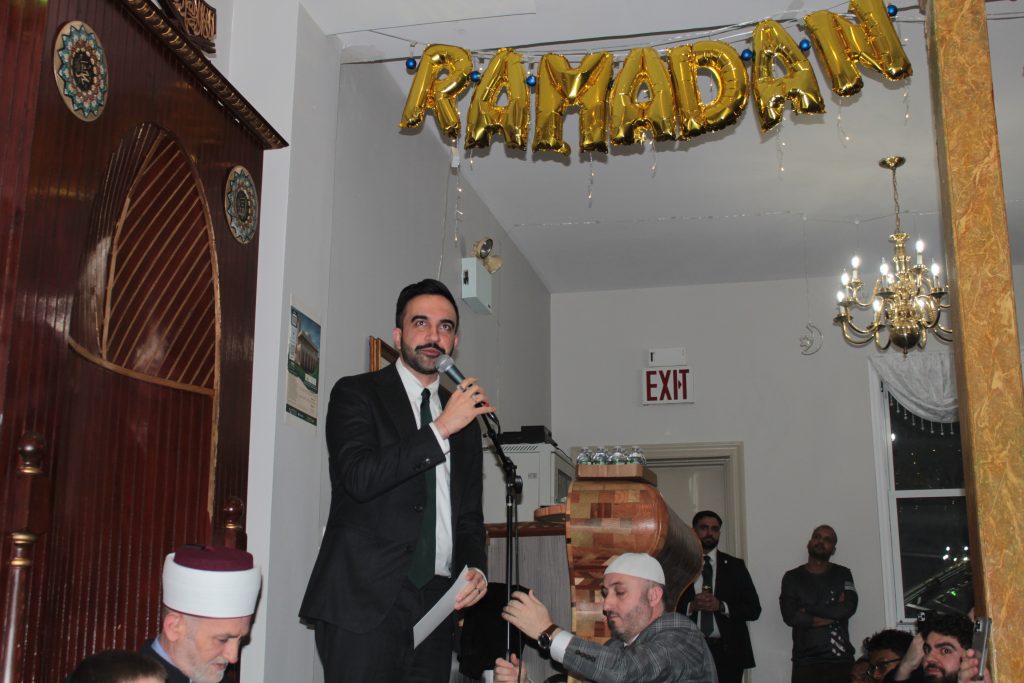
The scent of home-cooked food drifted through the halls of the Masjid Islamic Unity & Cultural Center as families gathered shoulder to shoulder, waiting for sunset to break their Ramadan fast. Children leaned over railings to catch a glimpse of the evening’s guest while elders greeted one another warmly. On this night, the mosque at 31-33 12th St. welcomed a familiar visitor: Mayor Zohran Mamdani, returning to the Astoria neighborhood he once represented as a state assemblyman.

Mamdani, the city’s first Muslim mayor, joined dozens of Bosnian New Yorkers on March 17 for iftar, the nightly meal that ends the daily fast during the holy month of Ramadan. The visit felt less like a formal appearance and more like a reunion. Children gathered around him excitedly while longtime mosque members, affectionately called “uncles and aunties,” welcomed him with handshakes and embraces before the community prepared for maghrib prayer.

The evening opened with remarks from the mosque’s main imam, Kemal Bektesevic, who greeted Mamdani and spoke about the community’s hopes for the city and their connection to the mayor.

“Brother is someone who is close to the heart, someone you care about honestly,” Bektesevic said. “Not just because you are a brother, but because we truly hope you will make a change in this city and that we will feel the warmth of that change.”

Reflecting on the political journey that brought the mayor to their mosque, the imam shared a personal story about voting for the first time after encouragement from younger members of the community.

“I was raised in a way where I never went to a polling station,” Bektesevic said. “Then the youngsters in my community came to me and said, ‘Let’s do something.’ A friend and member of our community told me about you, and I said, ‘Okay, let’s try.’”

He said Mamdani’s campaign gave many in the community a sense of optimism.

“I’m not saying we have done a lot,” Bektesevic said. “But you gave us a very big hope that, Inshallah, we will see you succeed. That’s why I say: keep going straight and make us proud, and make proud all those who worked hard for you.”

Moments later, Mamdani stepped forward to address the congregation, greeting the crowd with a familiar Ramadan blessing.

“Ramadan Kareem, Ramadan Mubarak,” he said. “It is such a joy and a pleasure to be here, not just as your mayor, but as your brother.”

Mayor Mamdani visited the Masjid Islamic Unity and Cultural Center in Astoria to break his Ramadan fast last week. Photos by Mohamed Farghaly.

For Mamdani, the visit carried personal significance. Before becoming mayor, he represented Astoria and Long Island City in the state Assembly, and he recalled working with members of the mosque years earlier on community efforts to help neighbors in need.

“This is a return home for me,” Mamdani said. “Before I was your mayor, I was an assembly member for Astoria and Long Island City, and as I was just sitting here next to brother Ismail, he was showing me text messages that I sent him in 2019 and 2020 where I was asking him if he would sponsor some iftars that we would give to those in need in the neighborhood.”

The mayor thanked mosque leaders and the young people who recited prayers earlier in the evening, calling them reminders of the community’s future.

“Our youngsters who are here with their beautiful recitations remind us that the future is always what we are striving for,” Mamdani said.

He also reflected on the history many Bosnian families carry with them in New York, referencing those who fled war and genocide in the Balkans before rebuilding their lives in the city.

“Many in this community came here after a genocide, came here out of necessity to find a place of safety,” he said. “Hardship brought many Bosnians to New York City, yet I’m grateful for the ease that you have delivered to our city, in shaping our neighborhoods and shaping the very places that so many know as their home today.”

As the call to prayer approached, the room grew quieter. Dates and water were passed along tables as families prepared to break their fast together. Mamdani spoke about the meaning of Ramadan beyond abstaining from food and drink.

“Many people think of Ramadan solely as a time characterized by fasting from sunup to sundown,” he said. “But I look forward to Ramadan because of what it means in terms of reflection, recommitment and giving meaning to the things that we lose sight of.”

The mayor also thanked the congregation for participating in civic life, saying their engagement helped reshape the city’s political landscape.

“I would not stand before you as the mayor of this city if it wasn’t for every single New Yorker who told themselves that this would be the time they would participate,” Mamdani said. “You saw yourself in the city that is also your own. You saw yourself in its politics. You saw yourself in its future.”

As the fast was finally broken and the community moved for the meal, the evening blended faith, food and conversation. Plates filled with traditional dishes, children darted around the room and elders shared stories late into the night.

For Mamdani, the gathering served as both a celebration of Ramadan and a reminder of the neighborhood that helped shape his political journey.

Safe Streets Scrap at CB1

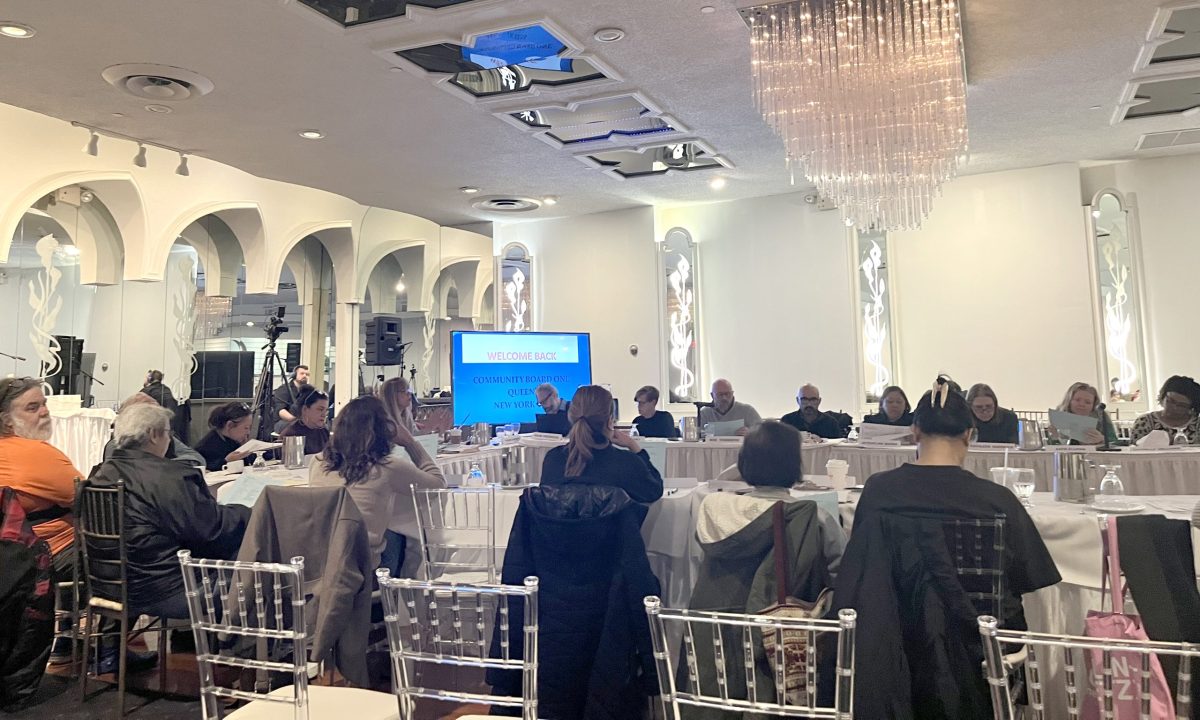
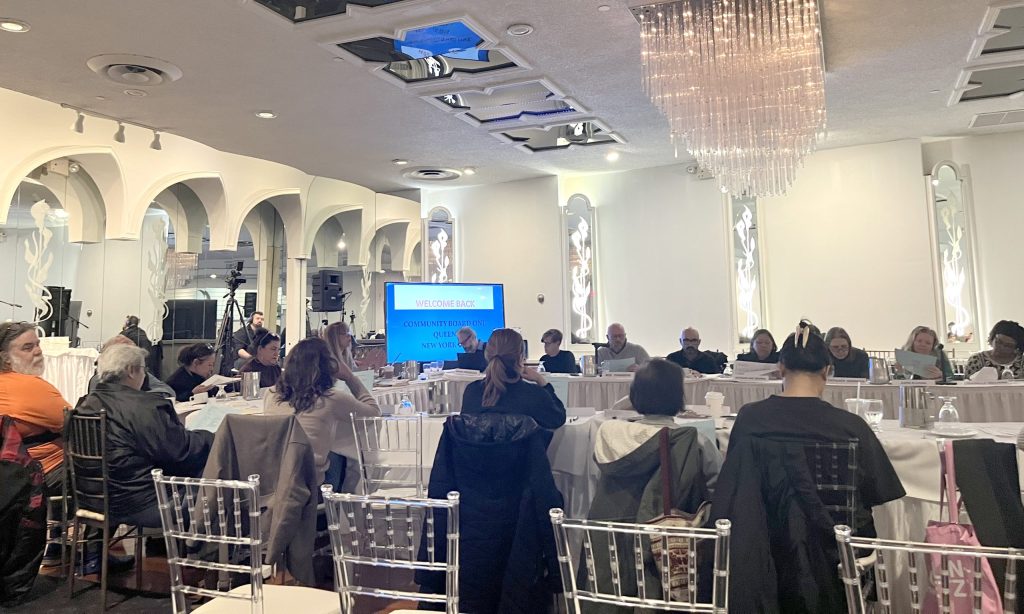
At Queens Community Board 1, which meets monthly at Astoria World Manor, street safety is a hot-button topic.

BY COLE SINANIAN

cole@queensledger.com

ASTORIA — “My name is Gloria Maloney and I just wanted to know if anybody wanted to buy my car,” began the 78-year-old during the public testimony portion of last week’s  Community Board 1 meeting at Astoria World Manor. “It’s a 2016 Jeep Cherokee, very low mileage.”

Maloney’s sarcasm drew chuckles at first, but her tone shifted as the testimony went on; she was here to draw battle lines over an ongoing debate with no end in sight.

“Even though I haven’t ridden a bike in over 40 years, I think I’m going to have to sell my car and get a bike so that I can go slower than most of the mopeds, scooters and bicyclists in the neighborhood,” Maloney continued. “Apparently, we’re now going to be a car-less city, so I have to get with the program. You know, at 78 years old.”

The context, of course — as those who’ve been paying attention will know — is the ongoing debate over how to make Astoria’s crowded and congested streets safer. The 31st Street protected bike lane, whose construction 11th District Judge Cheree Buggs halted in December after several nearby businesses sued, has spurred passionate discussion in Community Board 1.

Legislation known as Sammy’s Law, meanwhile, was passed in 2024 and reduced speed limits from 25mph to 20mph in designated streets, though the city has been slow to implement the law.

Research has indicated that risk of pedestrian fatalities drops significantly from 25mph to 20mph.

“I’m really not happy with the bike lanes. I’m not happy with the traffic mileage going down lower than 25, it’s already slow enough as it is,” Maloney said, raising her voice slightly.

“You have to look when you cross the street, take your head out of your phone and look,” she said. “They come from some kind of city, from a town somewhere else where they don’t even have traffic lights. We have traffic lights for a reason.”

But little did Maloney know, behind her at the podium Community Board 2’s First Vice Chair  Rosamond Gianutsos waited at the ready with a blistering rebuttal:

“I have to say, with respect,” Gianutsos said, gesturing to Maloney, who had returned to her seat. “I’m 80, but my bike is right outside. So yes, join the program.”

Gianutsos is a doctor and member of the national advocacy group, Families for Safe Streets. She explained that through her work doing home visits to people who’ve suffered traffic violence, she spent years talking to families who’ve lost loved ones to car collisions, an experience that has fundamentally altered her view of the bikes-vs-cars debate.

She had come to CB1 to testify in support of lowering speed limits in the area, which she argued would be beneficial to not just bikers and pedestrians, but to drivers too.

“Furthermore, it’s not just bicyclists and pedestrians that are hurt,” Gianutsos said. “It’s also drivers. If you look at the data, there are lots of people who are killed and injured as passengers or drivers of cars.”

She concluded: “So anything we can do to prevent the travesty of traffic violence and pain to families, please do support it.”

Sammy’s Law was named for Sammy Cohen Eckstein, a 12-year-old Brooklyn boy who was killed in 2013 after being struck by a distracted driver.

QED Astoria Retains Identity One Year Into New Ownership

Photos by Maryam Rahaman.

BY  MARYAM RAHAMAN

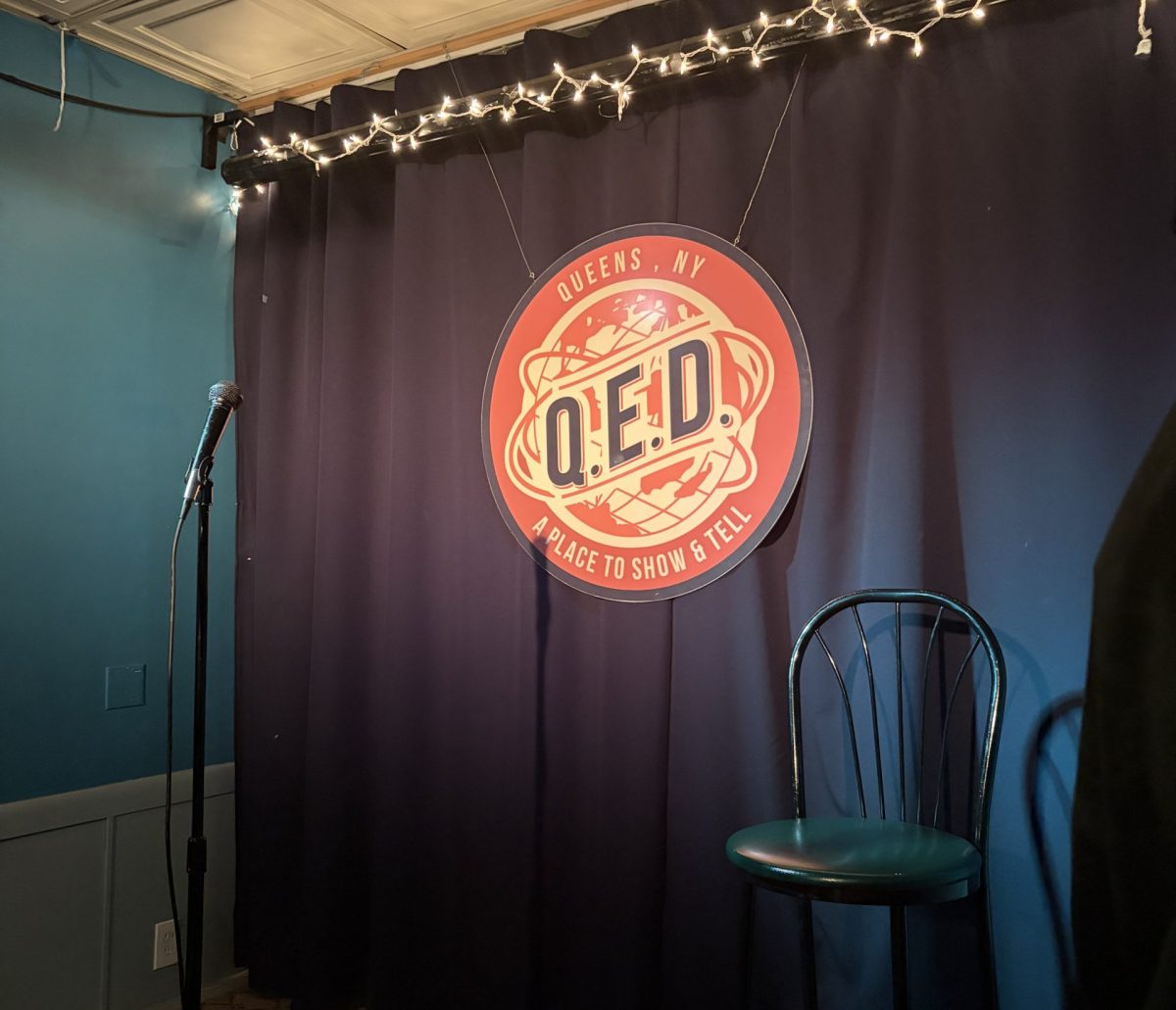
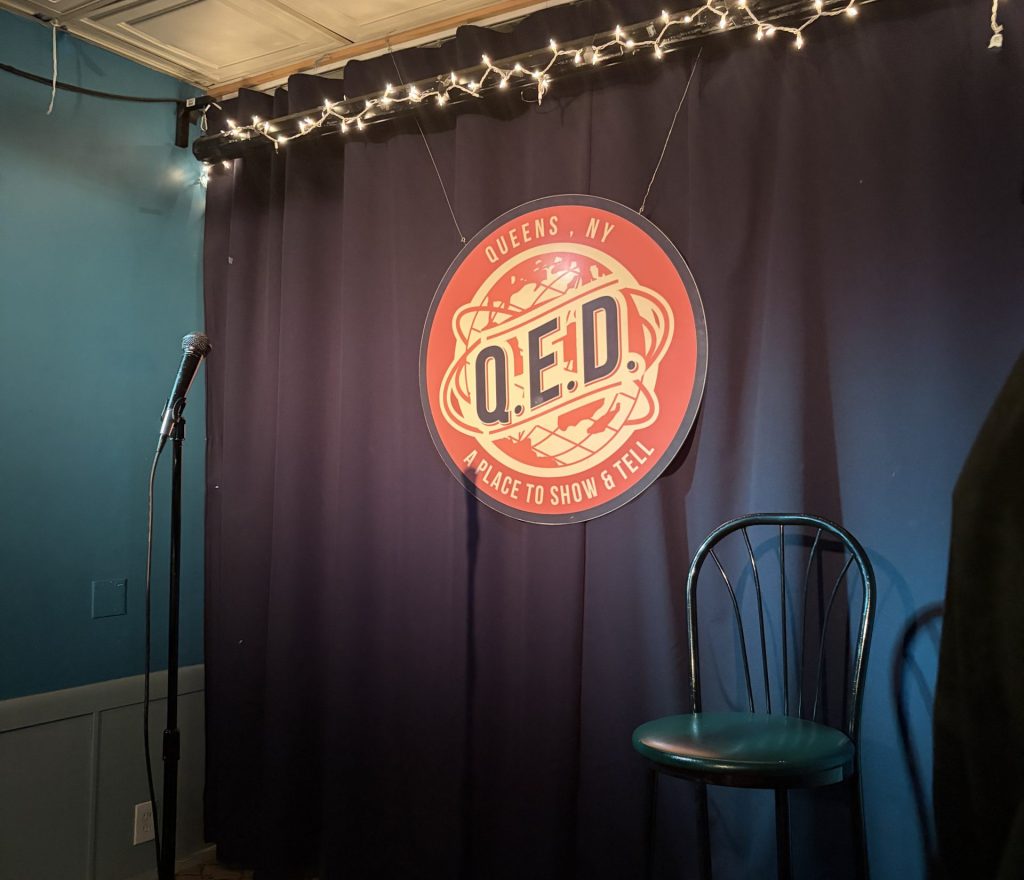
ASTORIA — Free municipal condoms, the Real Housewives, and conservative Christian radio all came up during last Thursday’s Paid Protest show at QED Astoria, where a sold-out crowd laughed uproariously as five comics and their host Anders Lee married political themes with comedy.

QED Astoria, founded in 2014 by comedic storyteller Kambri Crews, boasts a variety of programming, from free toddler storytimes to adult spelling bees to comedy shows in languages reflecting the full diversity of Queens. For the past few months, the venue has been the home of Paid Protest, a monthly Democratic Socialists of America (DSA) comedy show fundraiser.

Proceeds from last week’s show went to the organization’s Immigration Justice Working Group. Signatures were also collected to petition for DSA candidates Aber Kawas and Diana Moreno. Performers included Rufat Agayev, Gastor Almonte, Aidan Kelly, Taylor Petty, and Srilatha Rajamani.

Though QED is not strictly a comedy club, young New York City comedians have long flocked to it as a testing ground for performing. In November 2024, Crews announced she would close the venue unless a buyer stepped in. It was announced two months later that comedian Hannah Lieberman, a former QED performer, would take over.

Lieberman moved to the city after college to attend acting school, graduating right into the pandemic. In the midst of working odd jobs and auditioning for commercials, she leaned into the “inkling” that she wanted to do stand-up. After a bringer night (when comedians are required to bring audience members) that worked “better than it had any right to go,” Lieberman realized she wanted to perform and produce shows. When she moved to Astoria, QED and its community were a natural fit.

“It’s the first club where I headlined. It’s the first club where I produced a show,” Lieberman said. “This club meant so much to me already, and it was already my home base. It was kind of like kismet.”

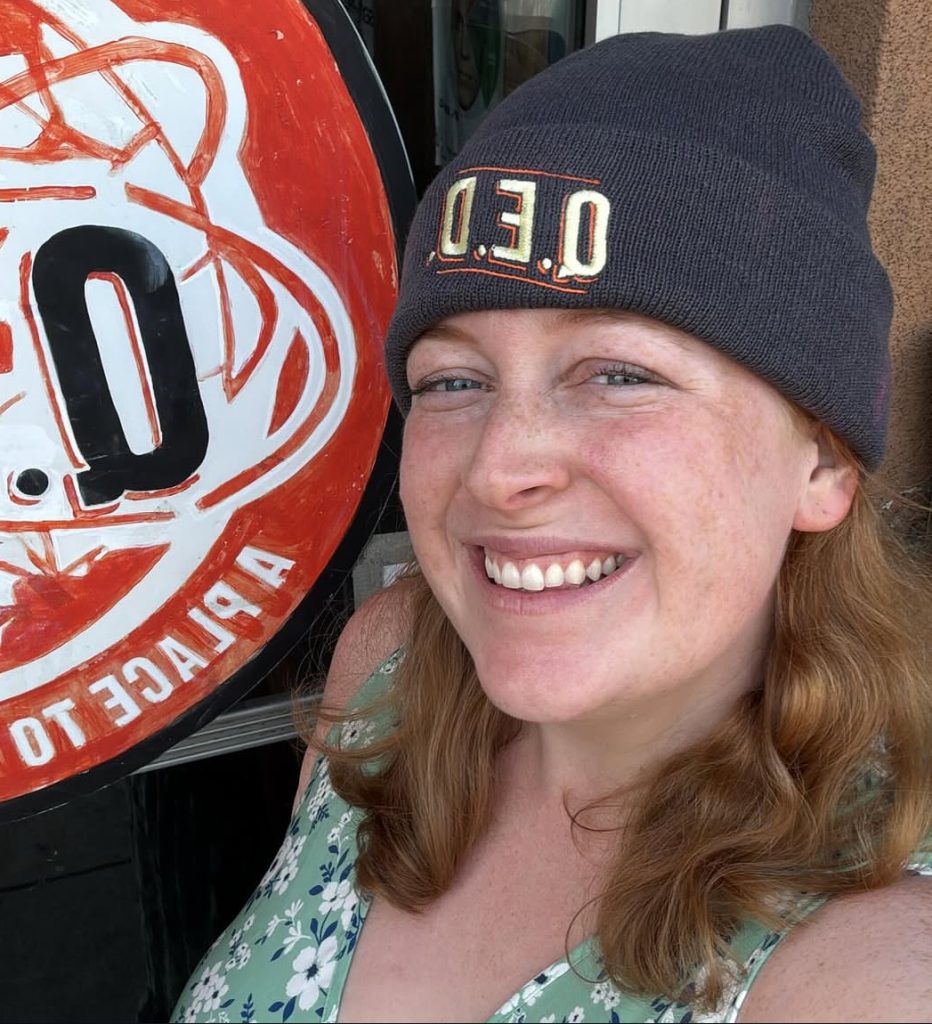
Comedian Hannah Lieberman is the new owner of QED Astoria.

This rendition of Paid Protest featured several comedians who had been performing at QED for years, including Agayev, Almonte, and Kelly. Almonte says that while other comedy spaces might struggle long-term because they focus on big names, QED has invested in giving young artists stage time. One of his favorite memories was getting to have his son see what he does, taking pictures and holding the microphone after a show.

“As much as I love other stand-up spaces, I probably wouldn’t have felt as comfortable bringing my seven year-old into those environments.”

It’s been about a year since Lieberman officially took over last March after shadowing Crews. As a former nanny, she’s added a lot of after school and children’s programming, in addition to changes that reflect the 25 year age gap between her and Crews—such as a Disney Channel original movie night in the form of a drinking game.

Marrying comedy and politics is not a new ownership change. Though Paid Protest has become part of regular programming under Lieberman, Crews previously held fundraisers for Zohran Mamdani and Alexandria Ocasio-Cortez at QED. To Lieberman, being honest about the venue’s political leaning is important.

“This is very much a progressive place. I think that’s reflected in our comedy too,” she said. “If you averaged open mics across the country, ours are the most welcoming to women.” For her, political comedy is to not only “shed a light on injustice,” but to keep herself “sane.”

“What eventually will happen is they’re going to try and shut down spaces like QED where people criticize the government,” Kelly said. “It’s insanely, insanely important.”

QED’s upcoming events can be viewed on Instagram @qedastoria or on their website qedastoria.com.

Memetic Warfare: Gotham Goose’s Campaign for Civic Engagement

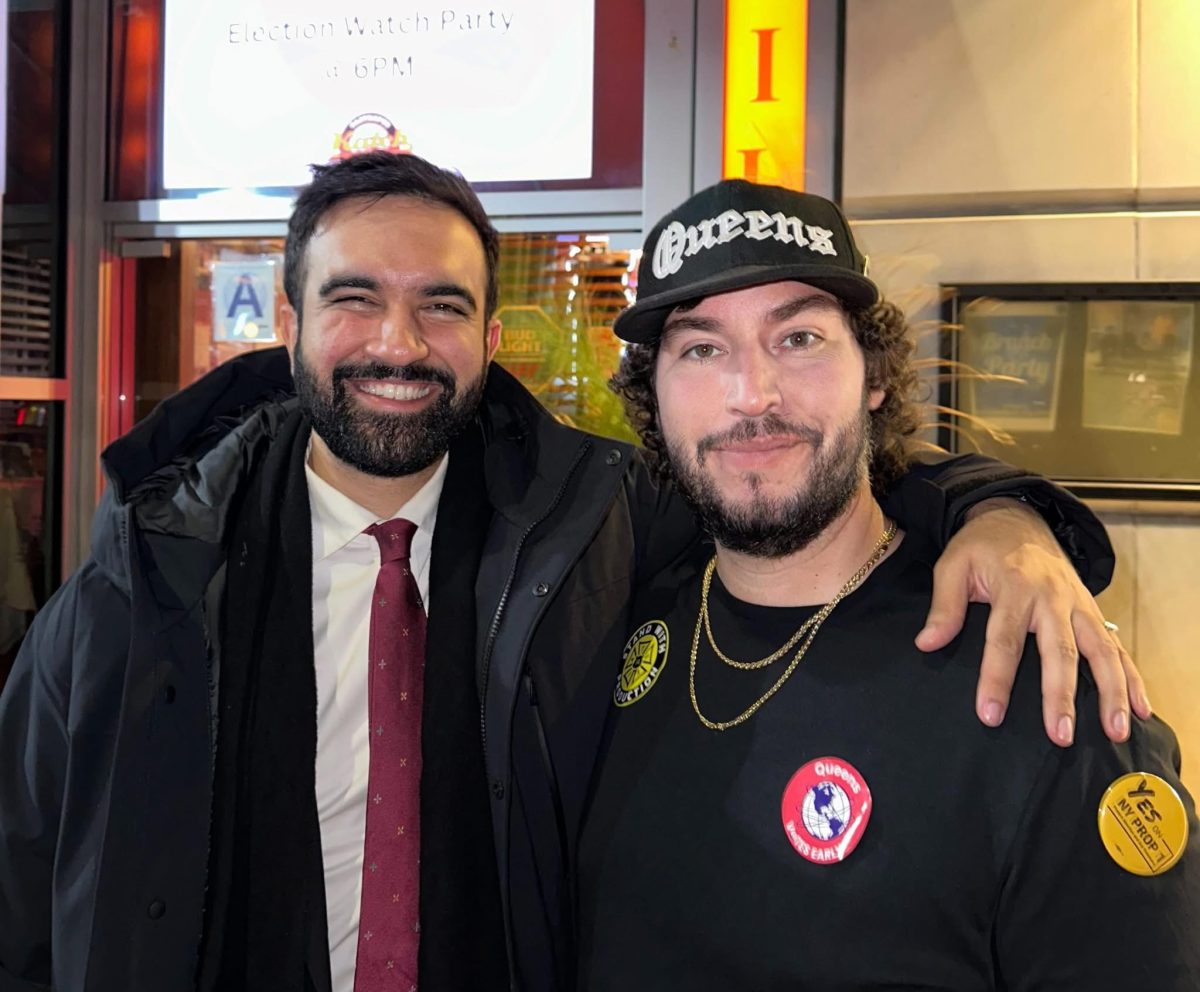
Nick Stergiou (right) outside of Katch Bar in Astoria with Mayor Zohran Mamdani. Photo via Nick Stergiou.

Through his satirical hyper-local news outlet, Nick Stergiou uses memes to get Astorians engaged in their community. 

BY COLE SINANIAN

cole@queensledger.com

Nick Stergiou is in many ways the archetypal Astorian everyman. He is half Greek, half Colombian, both a transplant and a native. The commercial producer and social media manager was born in New York but raised in Bakersfield, California, where his family ran a bagel business. The West Coast, however, was not Stergiou’s vibe, so at 18 he booked it back to the only place that felt like home: Astoria.

“It gave me a unique perspective on being a New Yorker, because I’ve always felt like a native and also a transplant at the same time,” Stergiou said.

Now 38, Stergiou is the brains behind the Gotham Goose, a popular hyper-local satire Instagram page that doubles as Stergiou’s ploy to get more Astorians engaged in local politics. As a teen, Stergiou developed his sense of humor watching late night hosts like Conan O’Brien and spent lots of time on the internet, growing fluent in the language of trolling. As an adult, he’s developed this fluency into a potent catalyst for civic engagement.

While running the social media accounts for his labor union, the Production Workers Guild IATSE Local 111, Stergiou deployed a strategy called “memetic warfare” to get members to sign union cards. A kind of propaganda technique, memetic warfare involves propagation of internet memes as a means of influencing public opinion. Anyone who follows the local Karaoke Shout Instagram page — which Stergiou runs — should be familiar with his irreverent brand of self-referential humor. With Gotham Goose, this looks like the merging of the local and national cultural zeitgeists through satirical, Astoria-centric Instagram memes.

One recent headline reads “Queens Pride Committee Votes to Flip ‘IA’ this year in LGBTQIA+ to include Community with AI Bot Relationships.” Another is headlined “Photos of Mayor Mamdani with Epstein are Real – Not AI Generated.” The Epstein in question, of course, is not the convicted sex-trafficker, but Manhattan City councilman Harvey Epstein. According to another post, the City unveiled a “monster truck-style ambulance” that can crush the parked cars on the notoriously congested 31st Ave with its giant wheels.

“There’s a problem with people believing everything they see on the internet and taking it seriously,” Stergiou said. “If you read and pay attention, you’ll be in on the joke. So it is sort of  revealing who is actually paying attention and who is not.”

In other words, if you know, you know. An attentive Astorian should be informed enough about the neighborhood and local politics to know whether or  not a post is satire, Stergiou explained. Sometimes, Stergiou posts real Astoria happenings, albeit with a satirical spin. One morning while walking down Ditmars Blvd, he watched as a worker put up a sign on a vacant storefront on the corner of 31st for a new restaurant called “Astoria BBQ.” Using a combination of photoshop and AI, Stergiou quickly crafted a post declaring that “BBQ” in Astoria stands for “Balkan  Breakfast Quesadillas,” a concept that might include on its menu “feta chilaquiles” and a “shakshuka morning melt.”

“Yes, I do post misinformation, but it’s obviously a joke,” he said. “It’s to make people laugh and realize, like, things are stupid and funny.”

Longtime Gotham Goose fans will also notice the recurring bird motif. The name was inspired by Stergiou’s lifelong affinity for birds; he is pigeon-toed and had pet cockatiels as a kid. “Honky the Snow Goose,” Gotham Goose’s official mascot, was allegedly seen chatting up “Astoria the Turkey” at Hallett’s Cove Beach, according to a March 11 post. Then there’s the shadowy cabal known as the “Council of Monk Parakeets,” whose enigmatic doings are — in Stergiou’s Gotham Goose universe — largely responsible for Astoria’s recent embrace of democratic socialist politicians.

In the Gotham Goose universe, the enigmatic “Council of Monk Parakeets” is the silent force driving Astoria’s left-wing politics. Photo via @gothamgoose on Instagram.

Monk parrots in New York are a real thing; observant New Yorkers may have seen their bright green wings flashing among the treetops across Brooklyn and Queen’s green spaces. Legend has it they’re descendants of a flock destined for pet stores that escaped from JFK in the 1970s. They’re now one of NYC’s thriving invasive bird populations, often nesting atop air conditioners, electrical poles, and lighting fixtures.

But in Stergiou’s satirized Astoria, the hooded Council of Monk Parakeets nests atop an electrical pole on 23rd Ave, and convenes in a conclave-esque ceremony whenever there’s a local election. In February, they “elected” Diana Moreno, who replaced Mamdani in Assembly District 36. Most recently, the Gotham Goose reported that the parakeets were seen “dropping political flyers” for Democratic  Socialist of America (DSA)-endorsed NY State Legislature candidates Phara Souffrant-Forrest and Jabari Brisport, and Claire Valdez, who’s running to replace Nydia Velázquez in New York’s 7th Congressional District.

“It’s basically the Parrot’s Republic of Astoria,” Stergiou wrote in a post, referring to the neighborhood’s nickname, “the People’s Republic of Astoria,” which alludes to its status as a hub for left-wing politics. “The volunteers knock doors, but the parrots quietly confirm what they decided weeks ago.”

But beneath Stergiou’s satire, there’s nuanced commentary on the unending New York City struggle between old timers and transplants and how that struggle affects local governance.

“The point is there’s some kind of driving force of nature that is affecting our politics,” Stergiou said. “The DSA seems so strong here it seems like sometimes people don’t have a choice because they’re just so active that it’s like, there’s gotta be something that’s keeping all these candidates coming. It’s the monk parrots.”

On a more serious note, Stergiou, who describes himself as democratic socialist-leaning, has little sympathy for Astorians who complain about transplants bringing their politics to the neighborhood but then refuse to engage in politics themselves. Whether these socialist newcomers are transplants or not, the kind of canvassing and grassroots campaigning that has become NYC-DSA’s trademark is a highly effective strategy for political mobilization, Stergiou points out. The old timers could take note.

“Native New Yorkers who are fed up with things, they complain a lot but they don’t participate,”  Stergiou said. “If everyone participated then maybe the change you want would happen, instead of just saying, like, oh,  the transplants are here and they ruined everything. It’s like, well, they just participated.”

MoMA PS1’s Sordid Past

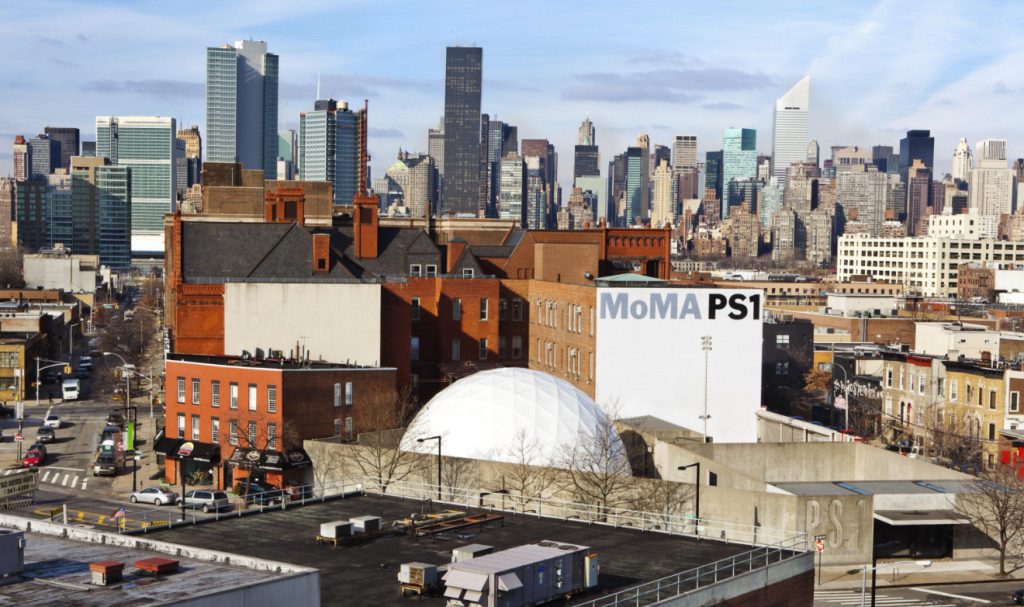
The building houses MoMA PS1 was opened as a school in 1892. Photo via iloveny.com

The art institute is a monument to LIC’s corrupt, charismatic mayor. 

GEOFFREY COBB | gcobb91839@aol.com

Author, “Greenpoint Brooklyn’s Forgotten Past

LONG ISLAND CITY  — The massive red brick building that occupies an entire block at Jackson Avenue is easily Long Island City’s most dramatic. More like a citadel than a former school, PS 1 with its massive gables and beautiful ornamental terra cotta stands out against the sea of monotonous glass and steel skyscrapers that have sprung up in the area like mushrooms after a spring rain.

Exuding nineteenth century majesty and elegance, PS 1 is one of the most successful repurposed buildings in the city, but few of its visitors are aware of the structure’s fascinating early history. Its beautiful terra cotta floral motifs were the creation of the nearby New York Architectural Terra Cotta Company, a legendary firm whose work graces many of the city’s most beautiful buildings. The building was once even more majestic. When it opened in 1892 it boasted a stately clock tower, a bell and capacity for a thousand students.

The school was the crown jewel of one of the most colorful characters in the history of New York City Politics, Patrick “Battle Axe” Gleason, the last mayor of an independent Long Island City before LIC was absorbed into the five-borough metropolis in 1898. As flamboyant and charismatic as he was corrupt and deceitful, Gleason earned his nickname when he and his fire department wielded axes to cut down a Long Island Railroad wooden fence that blocked residents of LIC from reaching their waterfront without purchasing a ticket.

Many of Gleason’s supporters were Irish immigrants who lived in squalid tenements and toiled in LIC’s many factories and refineries. Gleason reckoned that if parents saw the elegant school he had built for their children, they would vote for him, but the reality was different.  Many LIC residents expressed shock and indignation at the astronomical cost of building Gleason’s First Ward School, $225,000, a massive sum in 1892.  The terra cotta masterpiece, which nearly bankrupted LIC, became a massive source of patronage and kickbacks for the shifty Gleason. Accusations of graft and corruption made headlines in several newspapers. The scandal surrounding the First Ward School helped to secure Gleason’s defeat in the 1892 mayoral election.

Fascinated by this architectural gem, I searched for hours in vain trying to discover the architect of the school. In desperation, I turned to the Guru of Long Island City history Mitch Waxman, who informed me that no one knew for sure. Many of Long Island City’s records were lost or destroyed when the area merged with New York City, so the identity of this talented architect remains a mystery.

The school served as an educational institution until 1963, when a precipitous drop in the area’s school aged population forced the closure of Gleason’s showcase and it became a New York City Board of Education warehouse. For years, it sat vacant, a forlorn elegant white elephant slowly succumbing to neglect, a ghost of its former self in a neighborhood that had seen better days.

The building was slated to be sold by the city to as a factory site, but thankfully the sale never occurred. In 1972, the Institute for Art and Urban Resources Inc., a non-profit founded by visionary Alana Heiss, purchased the derelict building to provide studios and exhibition space for the city’s artists. In 1976, after extensive renovations, Heiss opened the P.S. 1 Contemporary Art Center, greatly increasing the institute’s exhibition and studio capacity. P.S.1 helped spark a revival of LIC and in 2000 P.S.1 began its formal association with New York’s Modern Museum of Art, becoming MoMA PS1.

In the last quarter century,  MoMA PS1  has become world famous for its experimental, site-specific art shows, hosting landmark exhibitions like the recurring “Greater New York” survey, James Turrell’s long-term installation Meeting, and other critically acclaimed installations, including retrospectives for Mike Kelley and Maria Lassnig, and thematic exhibitions like Into Me/Out of Me and WACK! Art and the Feminist Revolution. One of the oldest nonprofit contemporary art spaces in the US, P.S.1 serves as a mecca for emerging artists, innovative installations, and immersive exhibitions, drawing visitors from around the world.

The school played a role in the final chapter of the Paddy Gleason story. Though Gleason was a highly controversial figure amongst adults, he was loved by the area’s children. When he died in 1901, his funeral procession was slated to pass by the school. When the students’ demand to pay their final respects to Gleason was dismissed by the principal, they staged a massive walk-out, demanding that they be allowed to stand outside the school and say a last goodbye to its patron. Fearing a revolt, the principal relented and hundreds of youngsters lined Jackson Avenue to mourn Gleason. Gleason might have wildly overspent on his showpiece school, but future generations can thank him for building this elegant LIC landmark.

Upscaling Queens: Local Leaders Brainstorm Ideas for the Future of the World’s Borough

At a symposium at La Guardia Community College last Thursday, elected officials and business leaders discussed challenges and opportunities facing Queens. 

BY COLE SINANIAN 

cole@queensledger.com 

LONG ISLAND CITY — “The City and the State are broke. The Feds? Who the hell knows what the Feds are doing. Our destiny is in our hands.”

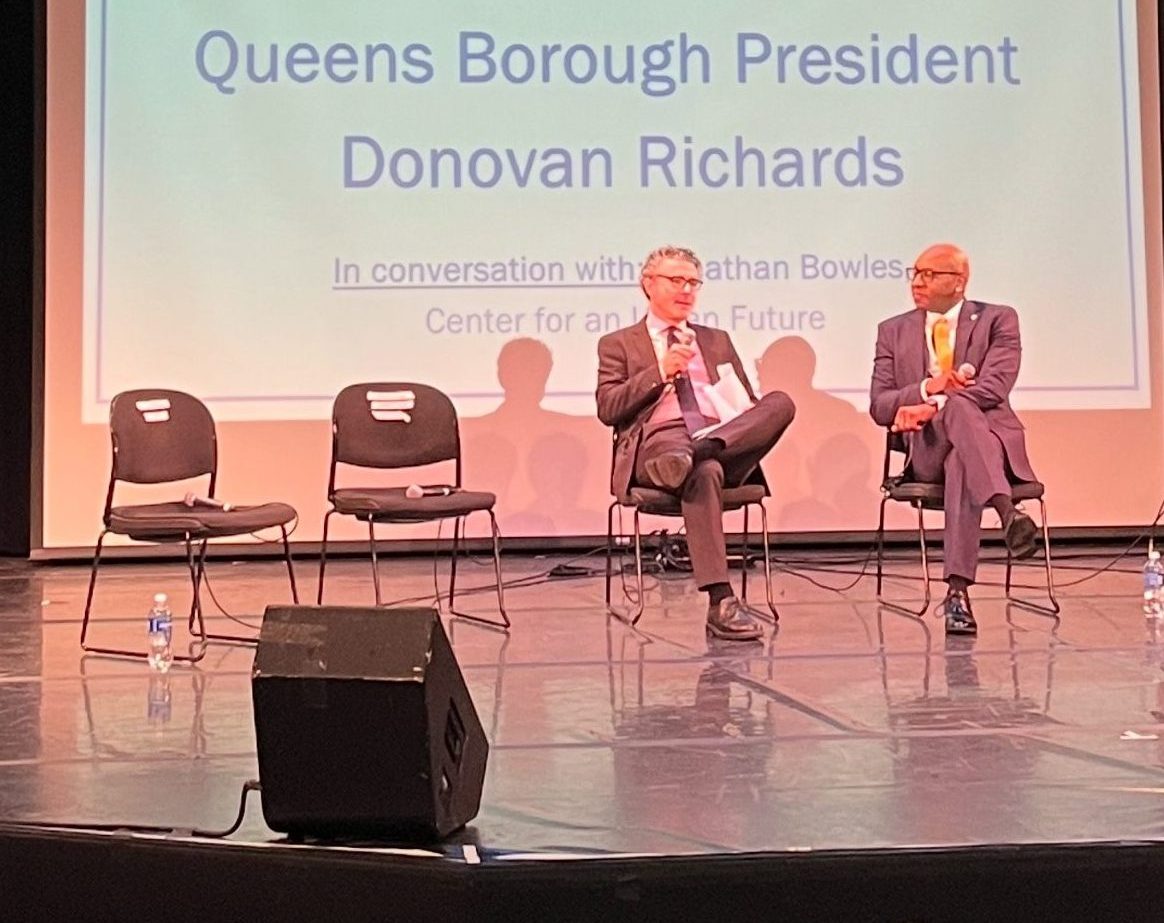
This was Queens Chamber of Commerce President Thomas Grech’s message to the several dozen business leaders, politicians, students and members of the public gathered at La Guardia Community College’s Performing Arts Center on Thursday, March 5. They had come to hear Grech, Queens Borough President Donovan Richards, City councilmembers Julie Won, and more than a dozen local leaders discuss visions for a more equitable Queens at a symposium hosted by the Center for an Urban Future.

Grech’s message of economic independence for Queens in the face of unreliable City, State, and Federal governments resonated throughout the half-day event, where several speakers highlighted the importance of nurturing a local tech industry while investing in community development and taking care of an aging and housing-insecure population. The concept of a Queens where one could “live, work and play” without ever having  to cross borough lines — a key focus of the Richards Administration — also underpinned the discussion.

“I think all of us can relate to that coming out of the pandemic,” Richards said. “We were all stuck in the house. We got to learn where our parks were. We got to work on our cultural organizations, and we want to strengthen the fabric of those organizations as we move forward.”

Richards, a former City councilmember, was elected Borough President in 2020 at the height of the COVID-19 pandemic. Key to his economic agenda was to “build back better” by not only restoring Queens’ pre-COVID economy, but by addressing inequities moving forward. Seated across from Center for an Urban Future Executive Director Jonathan Bowles, Richards pointed to several recent affordable housing developments as examples of his “build back better”  plan in action, including the Jamaica Neighborhood Plan — a 230-block rezoning approved by the City Council in October that would add nearly 4,000 permanently affordable homes to the Jamaica neighborhood.

But there’s still work to be done. More than one-quarter of Queens renter households spent more than 50% of their income on rent in 2023, according to an NYU Furman Center study.

Richards reiterated his support for Mayor Mamdani’s proposed Sunnyside Yards redevelopment — which would add 12,000 units of affordable housing to Sunnyside — but criticized the mayor’s proposed 9.5% property tax increase to help close the City’s $5.4 billion budget gap. He argued it could further restrict Black New Yorkers —  who’ve already struggled to own property due to racist policies like redlining — from accumulating wealth.

“It’s unfortunate that where I’m from, a house can go for 700,000 and in Brooklyn, you can have a brownstone that’s worth $5 million and they’re paying less taxes,” Richards said. “It’s very inequitable.”

He continued: “ We couldn’t get a mortgage in a lot of instances. So when you see everyday black New Yorkers who finally obtain a home, this is a pathway to upward mobility for their children to pass something down.”

William Jourdain, executive director of the local nonprofit Woodside on the Move, used his speech to draw attention to the elderly population of Queens, many of whom live month-to-month and are struggling under climbing costs of living. He told the story of his mother, a proud union member and longtime worker in the city’s hospitality industry, who, after being forced into early retirement by the pandemic, now must take money from her son in order to stay afloat amid ever rising living costs.

“But here’s the question that keeps me up at night: What about the seniors who don’t have someone like me?” Jourdain said. “They are the workers who kept the city running. They built New York. The least we can do is make sure they can afford to live in it.”

A 2023 study from the Center for an Urban Future counted 400,000 Queens residents aged 65 and older, some 14% of whom live below the poverty line—  the fourth highest of any county in New York State.

Jourdain urged the City and State to create a dedicated housing subsidy for the elderly to ensure they’re spending no more than 1/3 of their income on rent. Such a subsidy, Jourdain said, could “mean the difference between stability and eviction, between groceries and prescriptions.”

As far as public infrastructure, Richards called for 1% of the City’s budget to go to parks funding, and vowed to spend $17 million to rebuild the Playground for All Children in Flushing Meadows Corona Park. Both Richards and Bowles agreed that the park in general could use some work. On rainy days like Thursday, Flushing Meadows gets muddy and flooded, with areas remaining unusable for days after, Bowles noted, which is indicative of broader parks disinvestment.

Much of Thursday’s discussion revolved around Queens’ nascent tech industry, with several  speakers brainstorming ideas on how to both cultivate a local hi-tech job market through investments in education, and attract tech investment from elsewhere to Queens.

CUNY’s Queens College Campus, as Grech pointed out, graduates more computer science majors than any other school  in the CUNY system.

City councilmember Julie Won — who once worked for IBM — highlighted the need to embrace the AI boom without losing jobs to automation, something she argued could be done by “upscaling,” or training employees in every industry for the kinds of higher level positions that cannot be automated.

“We cannot allow this narrative of the world telling us, every single one of us is going to become obsolete, that the AI, the robots are going to take over, and we’re all going to be sitting here wondering to ourselves, where did we go wrong?” Won said.

Grech, meanwhile, proposed utilizing partnerships between private capital and public investment to invest in local tech startups. Queens is churning plenty of young tech talent, Grech, argued. Now, it’s  up to government and business leaders to invest in them.

“The rest of the world ain’t waiting for New York to figure out our stuff,” Grech said. “The rest of the world is plunging ahead.”

Fill the Form for Events, Advertisement or Business Listing