


Search
There are no ads matching your search criteria.

Urban Vegan Roots Closes Its Doors

BY MARYAM RAHAMAN

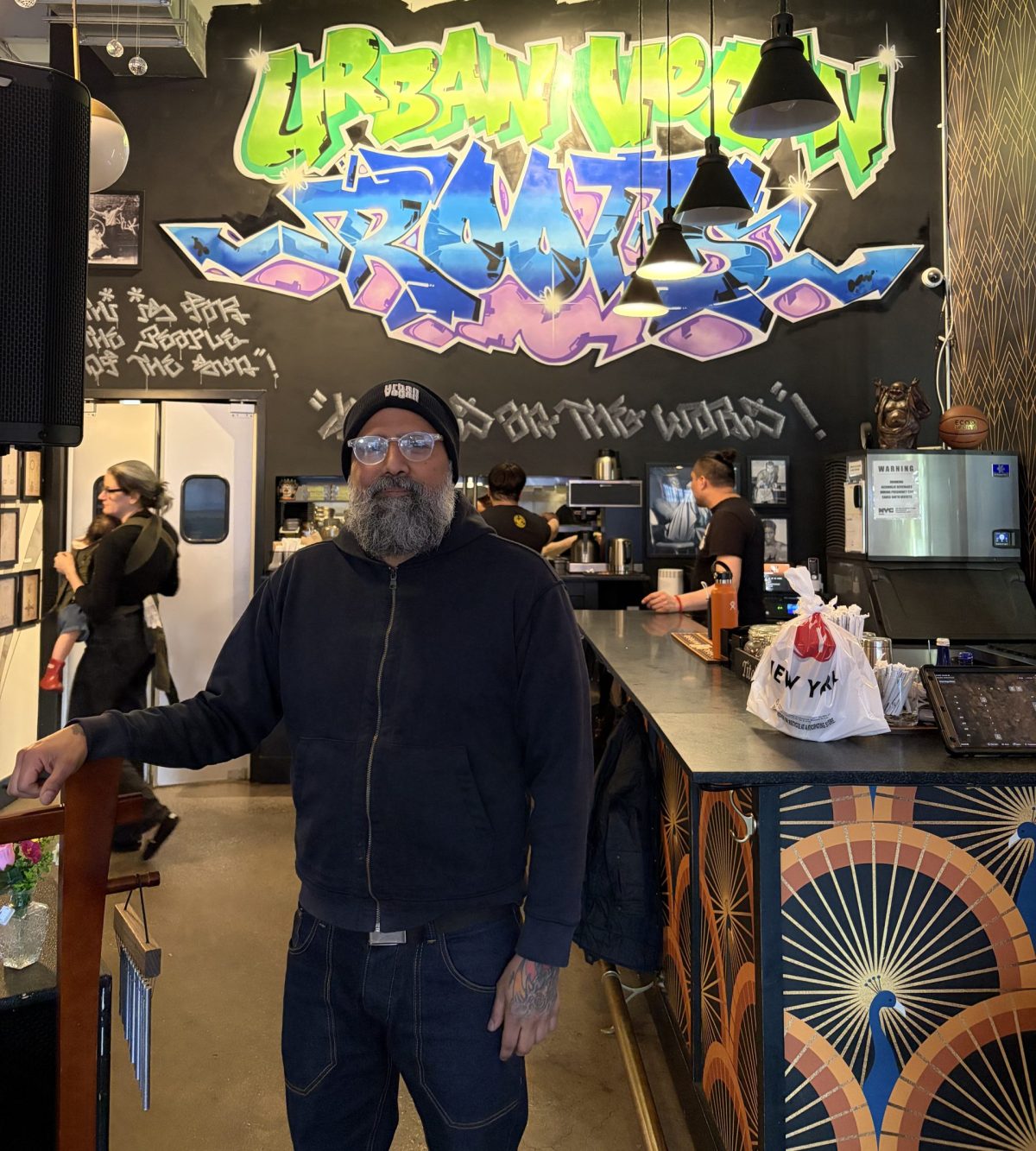
ASTORIA  — Jackson Heights native David Tianga grew up in the Golden Age of hip-hop. For Tianga, owner of plant-based restaurants Urban Vegan Kitchen and Urban Vegan Roots, hip-hop and veganism share key traits: giving a middle finger to the system and trying to live optimally. 

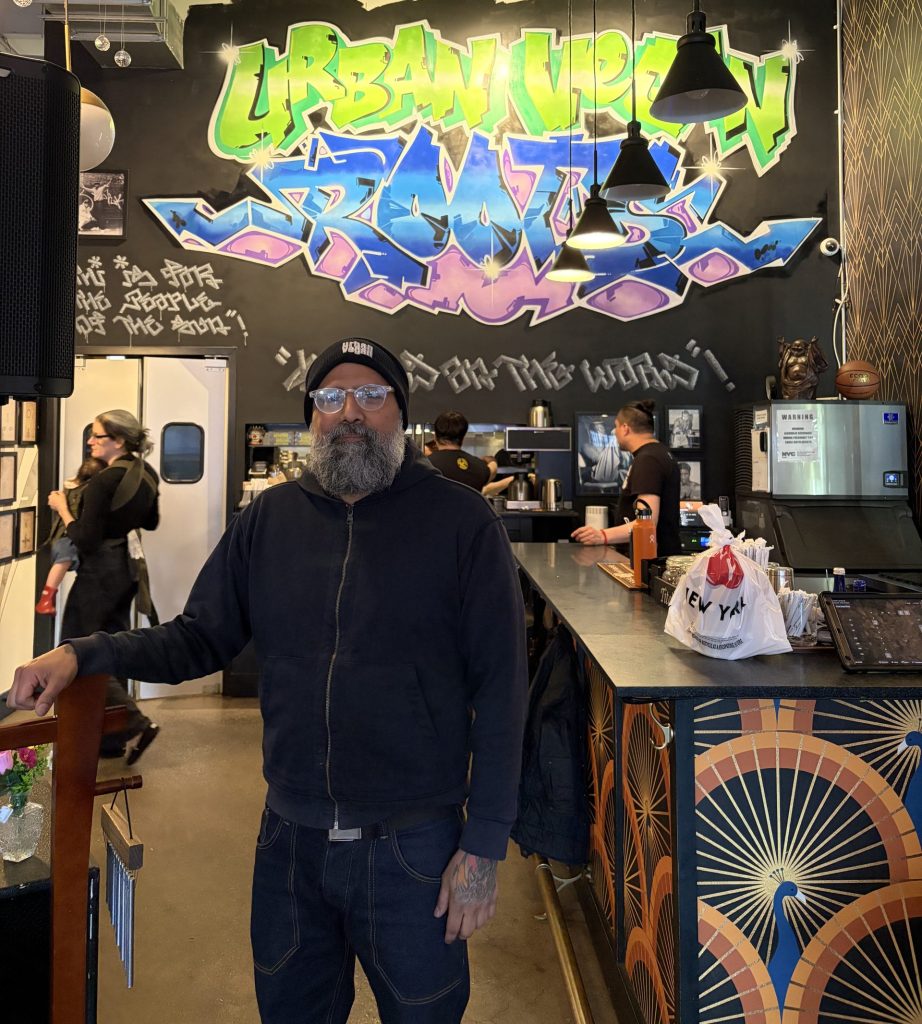
Urban Vegan Roots, Tianga’s second restaurant, recently closed its doors in Astoria this Sunday. The restaurant was not only a vegan staple in the neighborhood, but a community space. Tianga said there were a compilation of factors behind the location’s closing, including the accrual of debt after the restaurant opened in May 2022, several months behind the original schedule. Urban Vegan Kitchen, Tianga’s first restaurant which opened a decade ago, will continue business in Chelsea. 

Before working as a restaurateur, Tianga worked for years in theater and television writing. After two TV show pilots that didn’t work out, he started working part-time at Blossom du Jour, a vegan restaurant owned by Pamela Blackwell. Though Tianga intended to continue writing, he ended up becoming Blackwell’s general manager—looking for stability writing couldn’t provide. 

When Blackwell went to close a restaurant, Tianga pitched his idea for Urban Vegan Kitchen. At the time, Tianga said vegan spaces weren’t speaking to the multiculturalism of the city. Though incorporating graffiti and sports into the space turned some vegans off at first, the space and its audience grew together. 

“People like us were looking to turn vegan,” Tianga said. “So they wanted a space where they felt they could go eat and feel like ‘I belong here.’ This is built for me. I’m not going into somebody else’s house.” 

A few years later, Tianga opened Urban Vegan Roots, bringing a culture he loved to the borough where he grew up. As a long-time yoga practitioner, some of his favorite moments in the space were yoga classes open to the community. Last December, CBS News reported that Zohran Mamdani first spoke of his plans to run for mayor to his longtime friend State Sen. Jabari Brisport at the restaurant. 

Tianga also said that while the restaurant received a lot of take-out orders, there were comparatively less customers dining in—and more money going to delivery apps rather than the restaurant itself.

“People right now don’t want to have a good time because they don’t want to celebrate anything. And why would they? That’s why people go out to eat: to celebrate. What are we celebrating?” Tianga said. “Why am I gonna go spend $50 when I could just stay home, watch my Netflix, zone out, get my food delivered?”

For Tianga, the lack of dining out also represents a shift away from creativity in the New York restaurant business, especially for those not backed by investors. 

“Are people moving here for Eataly, for Whole Foods, for Starbucks? Is that why kids are moving here? I don’t think so,” Tianga said. “They’re moving here for authentic New York City culture, and that is an artist coming here with a dream, creating something, building it, making it their own. It doesn’t mean you have to be born here, but it means you’re putting your voice in and it’s authentic and it’s unique.”

When asked what customers can do, Tianga said “If you really love a restaurant, try and go there as much as you can.” He also recommended trying to order take-out directly from the restaurant if possible to avoid the cuts delivery apps take. 

Urban Vegan Kitchen in Chelsea, open seven days a week, can be found at 265 W 23rd St. One regular, who recently moved to Queens, told Tianga she’d be making the trip there often. 

Tianga said that part of the reason why the Chelsea location performs better is because of tourists who are interested in an authentic experience. 

“A tourist will come to our spot in Chelsea, hear the hip-hop, hear the reggae…and they’ll be like ‘Oh wow. This is real. This is what I came to New York for,’” Tianga said. 

Tianga said the final moments of the restaurant felt like a “funeral.” 

“I see other restaurants go through the same thing, like, they’re suffering,” Tianga said. “Then they announced they’re gonna close, and then everybody runs over there, and it’s too late.”
The Secret History of the Miller Hotel

Now a toddler center, this LIC street corner was once a favorite gambling spot of the NYC elite. 

GEOFFREY COBB | gcobb91839@Aol.com

Author, “Greenpoint Brooklyn’s Forgotten Past

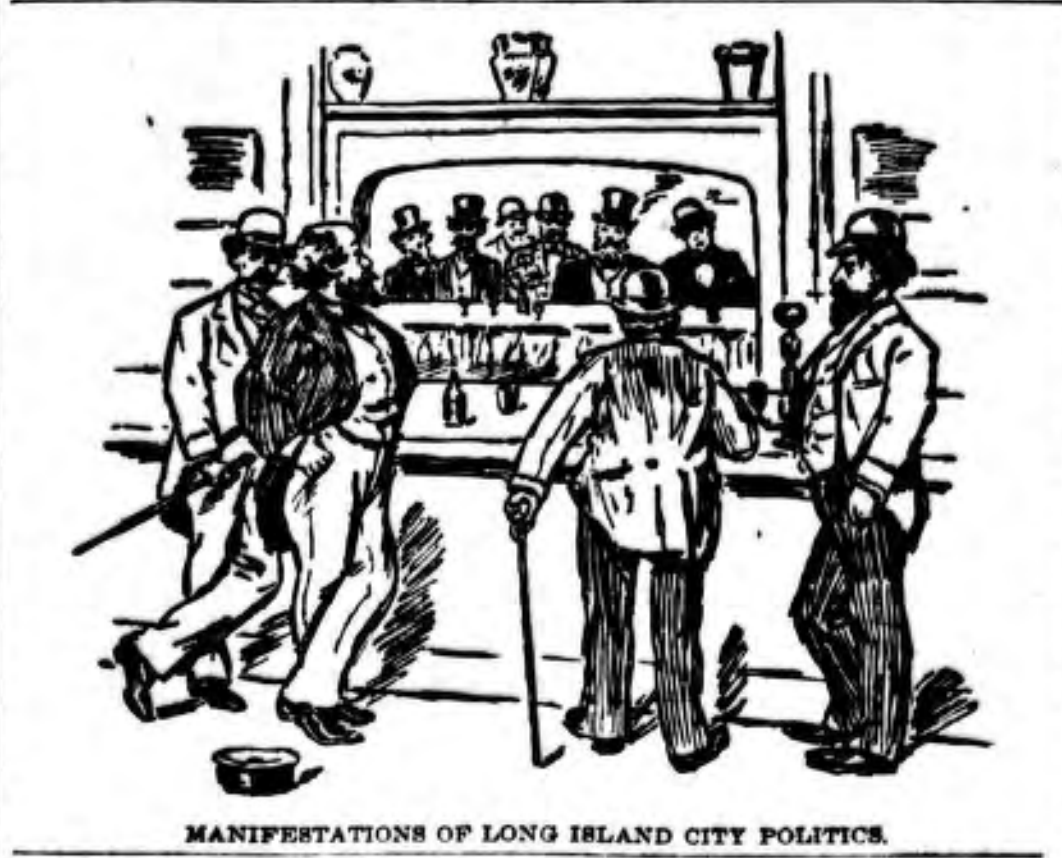
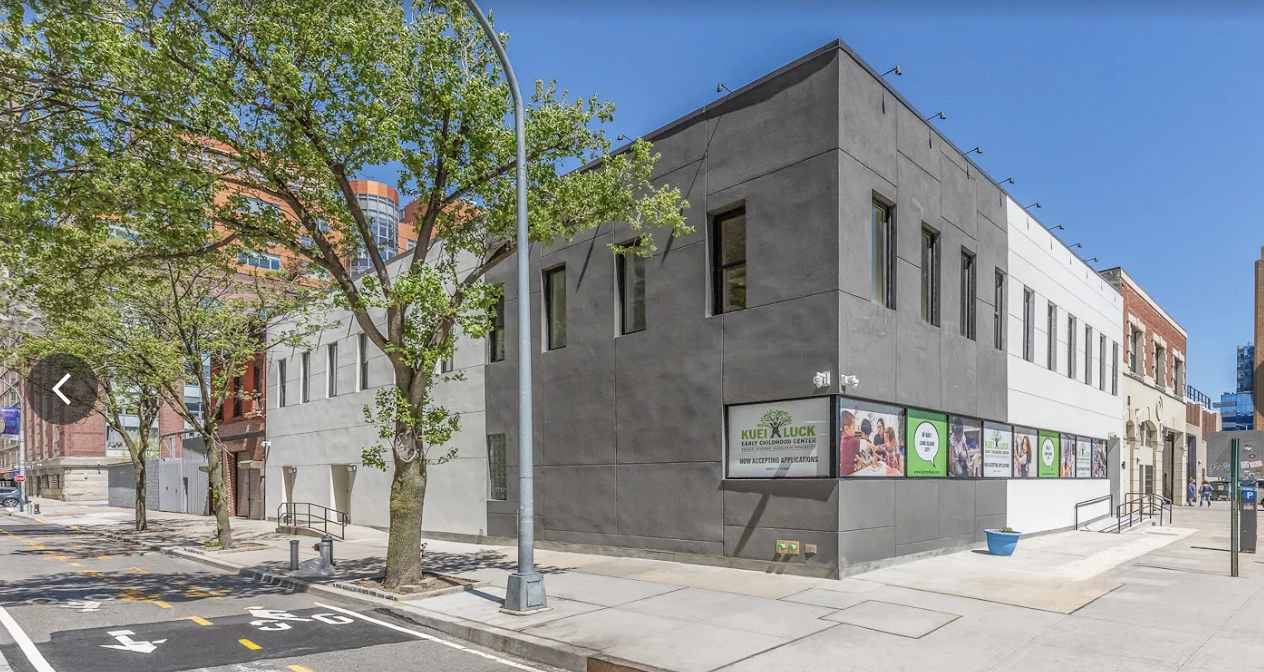
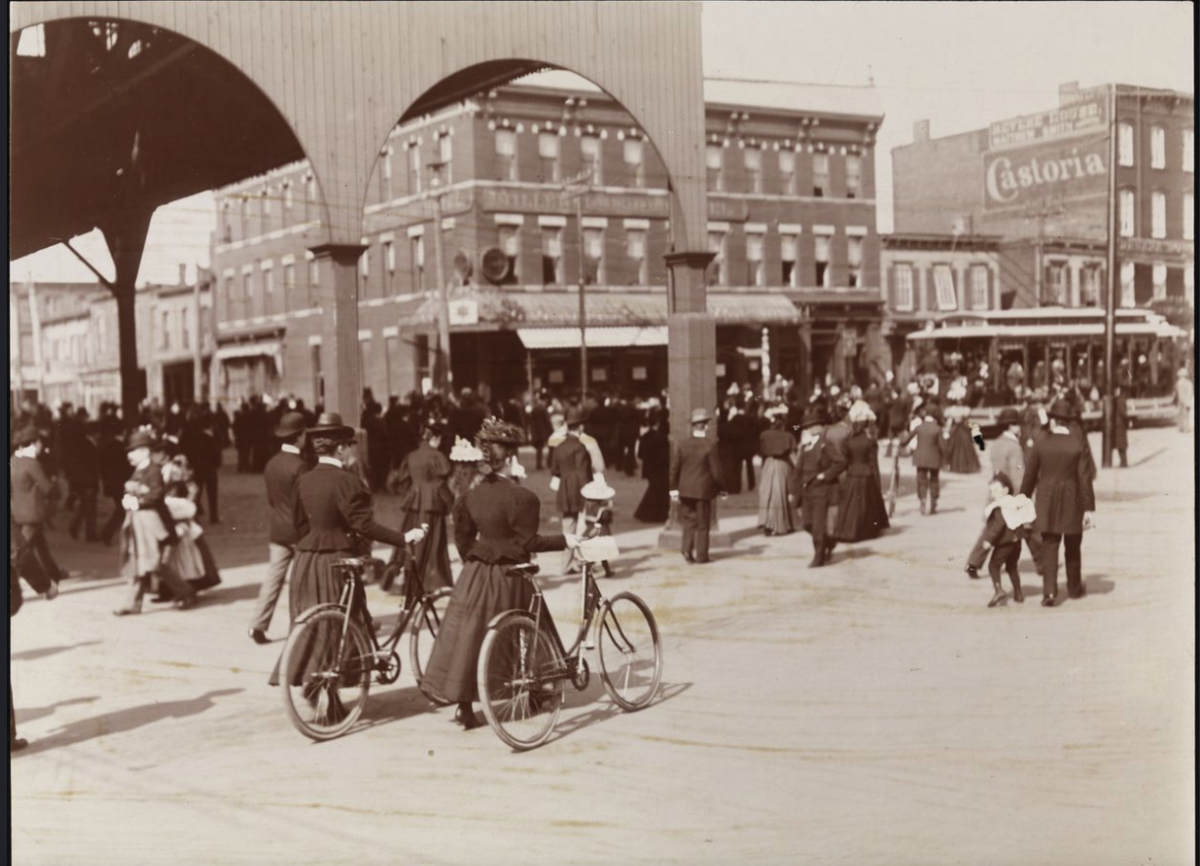
Today the innocuous Kuei Luck Early Childhood Center at 2-03 Borden Avenue in Long Island City occupies a squat, forgettable, gray building, where it teaches toddlers. The heavily renovated building, though, hides a colorful past. The site was once the legendary Miller’s Hotel. Until the construction of the Queensboro Bridge in 1909 and the Pennsylvania railroad tunnel the following year, it was the most popular bar in Queens and on all Long Island. The hotel bar was reputed to be the largest in New York City. The twenty bar tenders who worked the large horseshoe shaped mahogany bar there often served 300 customers, who stood six deep around the bar. The income of the hotel was frequently said to be a staggering $10,000 a day, at a time when $5,000 would have bought a large home in Brooklyn.

The owner of the bar was the affable and charming Tony Miller, a man who had run hotels in Manhattan and Bayside prior to taking control of the hotel in 1872. Miller had previously served on the New York City Council representing Manhattan, where he was known as the “Smiling Alderman.” He became a friend of all the major Democratic politicians in New York City, including Richard Croker, Senator Tim Sullivan and other leaders who were frequent visitors.

The hotel had a perfect location, situated directly across from the Long Island Railroad depot travelers exited before taking the Manhattan ferry. A generous soul known for his philanthropy, Miller made a fortune there, which allowed him to dress regally. He was often seen in a light-colored suit with a white tie, a hat like Buffalo Bill and diamonds in the buttonholes of his shirt.

A cartoon drawing from the New York Tribune of the Miller Hotel’s bar. Photo via  Geoffrey Cobb.

Celebrities frequented the place. In 1888, World Heavyweight champion John L. Sullivan returning from a friend’s funeral bought all the customers of the bar a drink, the first of Sullivan’s regular visits.  Millionaire “Diamond Jim” Brady and his girlfriend soprano Lillian Rusell were frequent guests there. Teddy Roosevelt visited Miller’s prior to embarking for Cuba with his Rough Riders, as well as ex-president Grover Cleveland, who was spotted drinking at the hotel bar.

The hotel was the place bar-none to gamble in New York City. The Las Vegas of its day, dozens of bookmakers frequented the bar. There was a 24/7 non-stop poker card game going on in a room in the back. In 1919, The New York Times reported, “Whenever the “lid” was clamped down in New York City or Brooklyn, the sporting fraternity went to Long Island City and made headquarters at Miller’s. At such times, poolrooms and gambling places were clustered thick about the place, and winnings were spent in the big, gay barroom.”  Famous politicians with massive gambling habits like Big Tim Sullivan, Tammany Boss Richard Croker and State Senator Patrick McCarren were regulars at the hotel.

The bar was for decades ground-zero of Queens politics. In 1888, The New York Press reported, “Long Island City exists on politics. Its politics plunge its inhabitants into a vortex of cursing, swearing and disorderly conduct.” It reported in a column on the hotel, “In Times of political excitement, the representatives of every political faction and party gather there.”

Long Island City was once an independent municipality run by Mayor Patrick “Battle Axe” Gleason, a six foot 280-pound terror with arms like a blacksmith, who lived for decades in the hotel. Gleason was embroiled in the politics and frequent violence of the hotel. In 1890, he assaulted Long Island Star journalist George Crowley there, breaking his nose. Sentenced to five days in jail and a $250 fine, he failed to learn his lesson. Later at the hotel, Gleason also threw a cup of coffee in State Senator Birdsall’s face and might have attacked him bodily had friends not restrained him.

Gleason’s attacks were not the only violence there. The New York Press reported, “The place has been the scene of scrimmages and shootings.”  In 1891, Long Island City’s Horse carriage line’s superintendent Alfred Moulton was shot in the back at the bar by a disgruntled car driver Moulton had fired. That same night, former Long Island City Police Commissioner William Williams, narrowly escaped death when a drunken former friend leveled a revolver at him but was subdued. The attacker then sat down and finished his drink before leaving.

The Kuei Luck Early Childhood Center on Borden Avenue in LIC was once one of New York’s most infamous political hangs. Photo via Google Maps.

In 1897, Miller died and the hotel began experiencing a slow, steady decline. In 1910, the Pennsylvania Railroad and the LIRR opened the East River tunnels, robbing the hotel of its ferry commuter clientele. The hotel finally closed in 1917, and the building was sold off in 1919, marking the end of an era.

The building was converted into a phonograph factory, and later became a warehouse. In 1975, a fire gutted the third floor, and the once elegant hotel became a dilapidated eyesore. In 1978, Anthony Mazzarella opened the Waterfront Crab house in the old hotel, which again attracted celebrities such as Paul Newman, Ed Asner and Maureen O’Hara. Hurricane Sandy badly damaged the crab house, and, after Mazzarella’s death, the restaurant closed in 2015. In 2020, the building was heavily altered when it became a preschool center.

A December 18, 1888, the New York Press article reported on the electric buzz the hotel created, describing Tony Miller’s hotel as “the hub of Long Island City” and “The most extra-ordinary hotel in the world.”  Looking at today’s drab building, it is hard to imagine the building’s rich past.

Drag, Drinks and Community at Fresco’s Grand Cantina

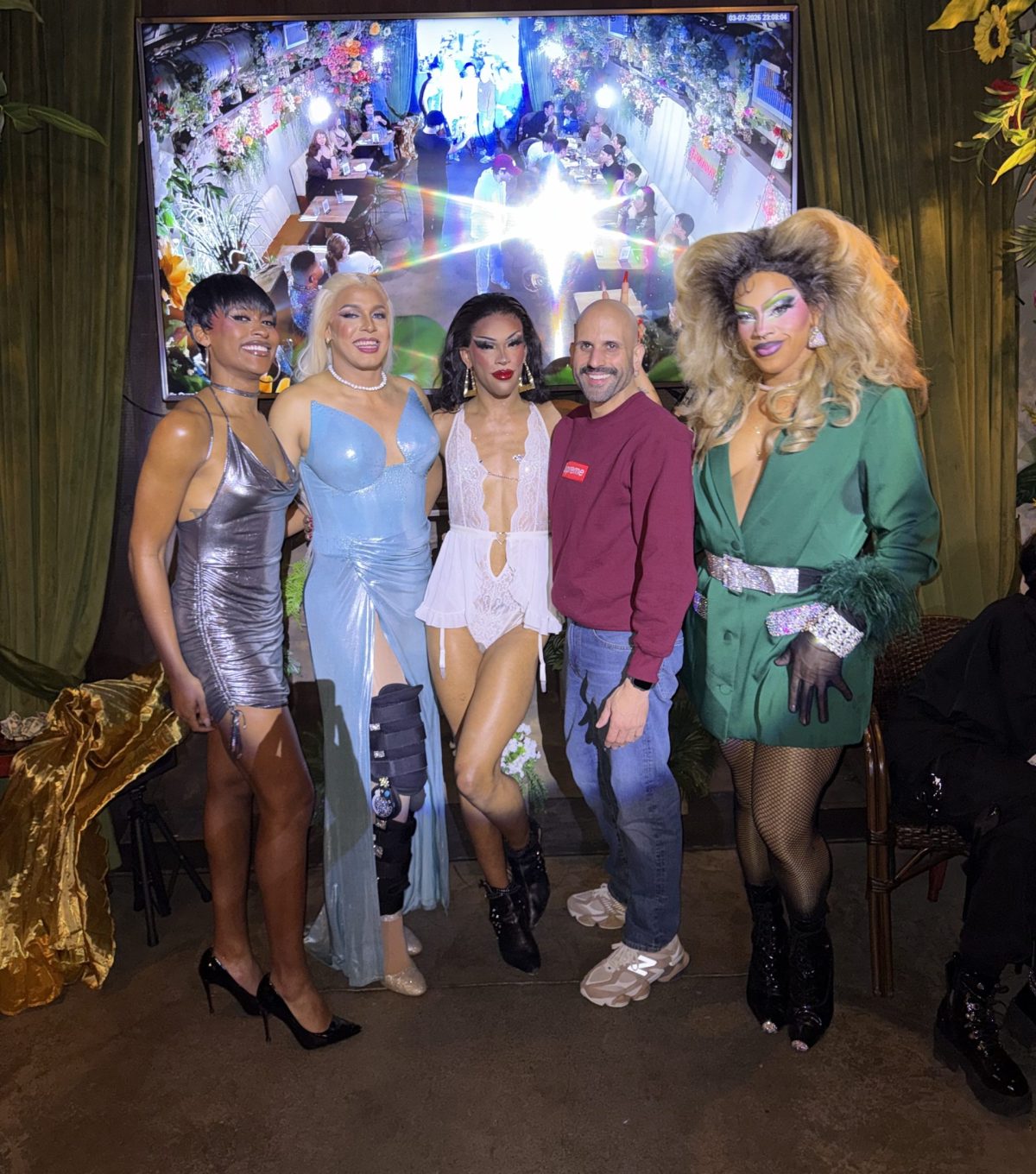
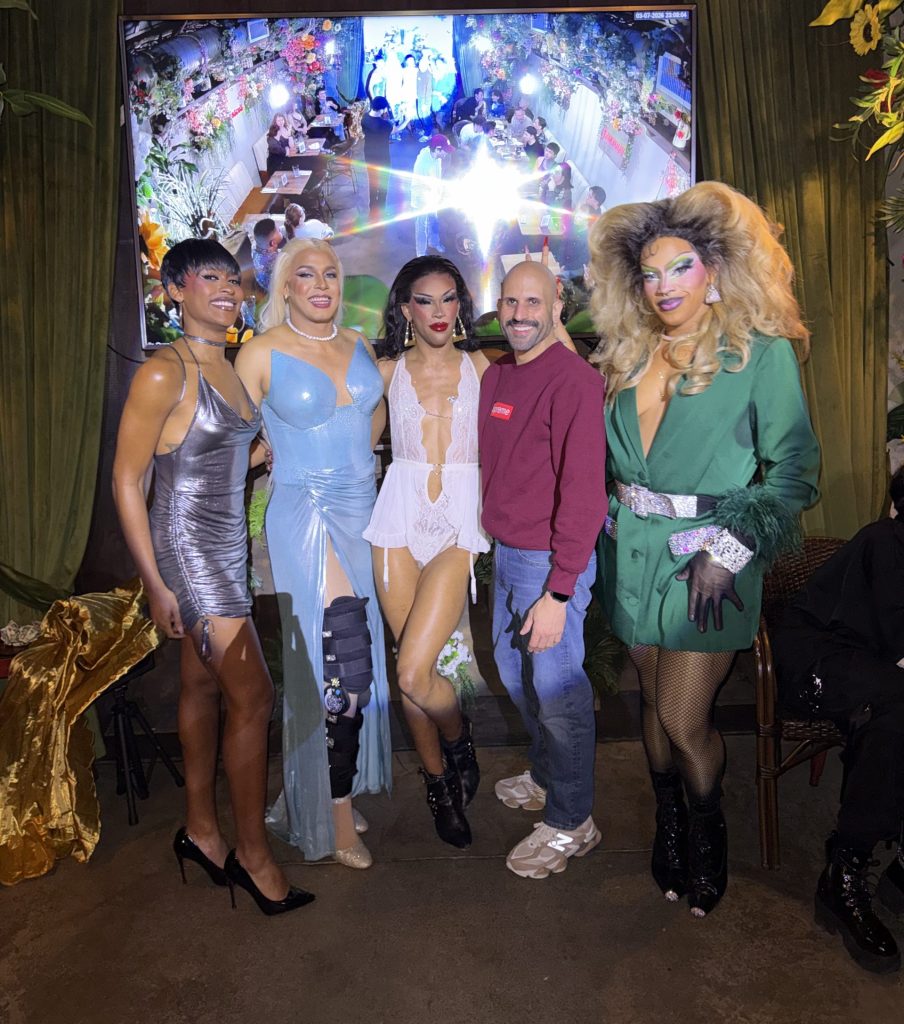
Brian “Fresco” Martinez (in red) at his restaurant with several drag performers. Photo via Brian Martinez.

Despite recent financial troubles, owner Brian Martinez remains committed to providing a safe space for the local queer community and tasty global fusion. 

BY COLE SINANIAN

cole@queensledger.com 

ASTORIA  — When Zaccary Belliveau showed up for his first gig at Fresco’s Cantina dressed in full drag — wig, makeup, heels and all — he was not expecting to see one of his old college fraternity buddies.

Belliveau had been sending Instagram messages to the owner, Brian Martinez, whose nickname, “Fresco” can be traced back to his college days. The two went to different New York colleges but knew each other from regional fraternity events, although that was long before Belliveau began performing in drag.

“It was one of those moments when you pause to look at someone and you’re like, ‘wait a minute,” Belliveau said. “We realized we knew each other and I remember he said to me — and excuse my French — ‘Bitch, I knew it was you the whole time!’”

Belliveau, who performs in drag as Inita D, is now a regular performer at Martinez’s flagship restaurant, Fresco’s Grand Cantina on 31st St. Though he’s far from the only drag performer, Belliveau may be the longest recurring cast member at Fresco’s, where Martinez has worked for years to cultivate a safe space for the local queer community, providing reliable work for Astoria’s drag performers and a never-ending stream of lively entertainment for his loyal customers.

“In terms of the queer community, Fresco’s is a crucial part because of how Brian has carried himself,” Belliveau said. “He’s looked out for his staff, he’s looked out for his business, but he’s also looked out for nightlife and the entertainers. A lot of us tend to be the first ones to get cut, when it comes to expenses for places, because we’re expendable.”

Belliveau pointed to Martinez’s COVID-era “Drag-livery” program as an example of this. During quarantine, Martinez kept his drag queens employed through something like DoorDash for drag shows, in which customers would order food to their homes that would be delivered by one of Fresco’s drag queens, who’d also — for $15 extra — perform a socially distanced song.

All in all, Martinez keeps a regular cast of about 20 drag performers on his payroll, who ensure there’s never a dull evening at Fresco’s. Even Mondays, which Martinez described as the most “chill” of the week, feature an all-night happy hour frequented by industry workers and date night couples looking for a good vibe to tuck into for the night. Wednesdays are drag trivia, during which NYC-famous performer Kizha Carr quizzes guests on a theme picked by the prior week’s participants. Thursdays are Drag Bingo, which includes, as Martinez put it, “dinner, a show and a game” as the drag queens perform sets between bingo rounds, while Friday nights are reserved for an official viewing party for the hit reality show, RuPaul’s Drag Race.

But Fresco’s is perhaps best known for its weekend drag brunches, which Martinez started at his original location on 31st and 12th, back in 2018. Saturday programming rotates, from “Boys Who Brunch” — an event that Martinez assures is the only drag king brunch in New York City — to something called “Bacon and Baddies” and later “Big Back Brunch,” the only all plus-size drag queen group in town. And then finally, Sundays feature “Chismosas and Mimosas,” a locally famous drag brunch that’s been running five years strong.

RuPaul fans or not, everyone is welcome at Fresco’s, Martinez says. Groups of guys will stroll in to drink the bar’s draught beer, while lots of younger women come for the safe space, seeking refuge from the threat of unwanted male attention. For Martinez, though — who also sits on Community Board 1 — fun and entertainment isn’t enough. Book clubs meet here regularly, community groups hold fundraising events, the local Parent Teacher Association has met here as well. Local electeds Tiffany Caban and Jessica Gonzalez-Rojas, meanwhile, have held campaign events at Fresco’s, Martinez says.

“I’m proud to have cultivated and created a safe space, especially for queer folks, but also our allies are welcome,” he said. “I jokingly call it ‘Fresco’s Grand Cantina and Community Center.”

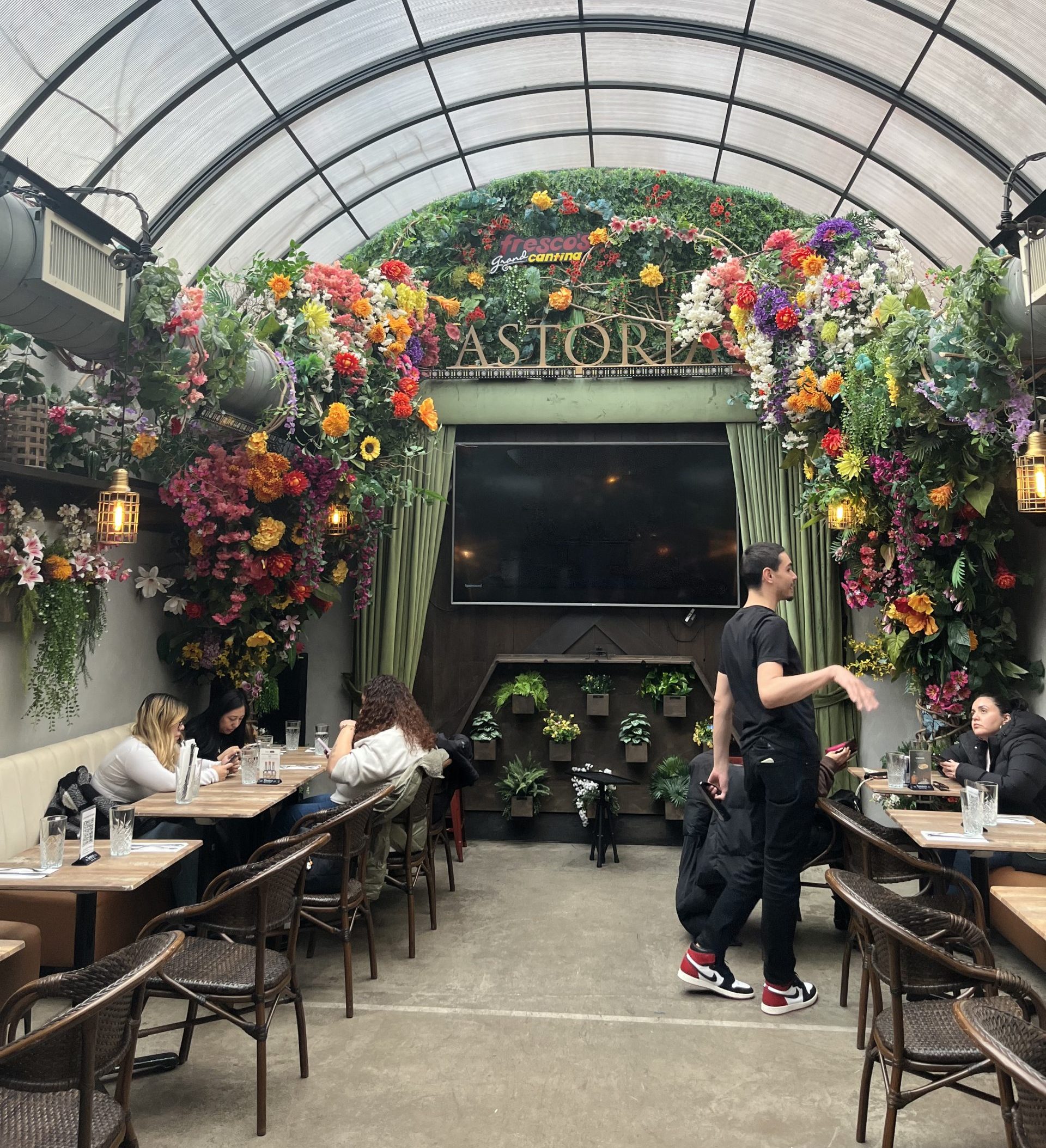
A restaurant that does it all— the food must be mid, you might be thinking. Think again! For Martinez, who grew up in the Bronx, the menu maps his travels around the world, marrying flavors, textures and ideas not often juxtaposed into colorful and delicious — if culturally inaccurate — creations. A “Mexican Gyro” with chorizo and tzatziki, “Mumbai Empanadas,” “Latin Sushi” (nothing raw), tacos filled with jerk chicken or Pastelon, a kind of Caribbean lasagna. Martinez calls it “Mexican Fusion,” and has leaned into the theme with the restaurant’s decor, which is marked by vibrant portraits of Frida Kahlo and a beachy, Tulum-inspired dining room with plenty of sunlight and jungle plants, both real and fake.

The Tulum-inspired dining room at Fresco’s Grand Cantina.

“It’s not a traditional Mexican restaurant,” Martinez said. “It’s kind of more like you’re coming to my  house. Not to discredit Mexican culture and food, but it’s a little more forgivable to have a little more fun with it.”

His creations, though, are expensive, and amid rising operating costs, high food prices and declining spending among customers, Martinez has had to get creative to keep his restaurant afloat. His rent went up 4% last year, while spiking electricity rates have forced Martinez to get on a ConEd payment plan. On March 29, Fresco’s Grand Cantina hosted a combined fundraiser and four-year anniversary party, during which Belliveau and other drag queens performed. A GoFundMe, meanwhile, has accrued some $13,000 to help Martinez cover costs and keep the business open.

Not helping the situation is that a misunderstanding regarding the controversial 31st St. protected bike lane put Martinez on the wrong side of the Astoria Reddit community, which resulted in his restaurant’s name being circulated on a local boycott list.

The bike lane’s construction was halted last year after several local businesses associated with the 31st Street Business Association sued the Department of Transportation. Martinez, who is not in the lawsuit, attended a meeting hosted by the 31st Street Business Association. Thinking it was merely informational, Martinez explained, he signed his name on the attendance sheet, which was published shortly after as a piece of evidence in the lawsuit.

“It’s an attendance sheet,” Martinez said. “I didn’t at any moment agree to anything. I didn’t sign off on the lawsuit. I see it from both sides. I’m a cyclist myself. I kind of want to stay neutral.”

To support Martinez and the Fresco’s community, head to either of his Astoria locations— Fresco’s Cantina at 12-14 31st Ave, or the larger Fresco’s Grand Cantina at 28-50 31st St.

Fill the Form for Events, Advertisement or Business Listing