



Residents Allege CODE Nightclub Brings Chaos to Steinway

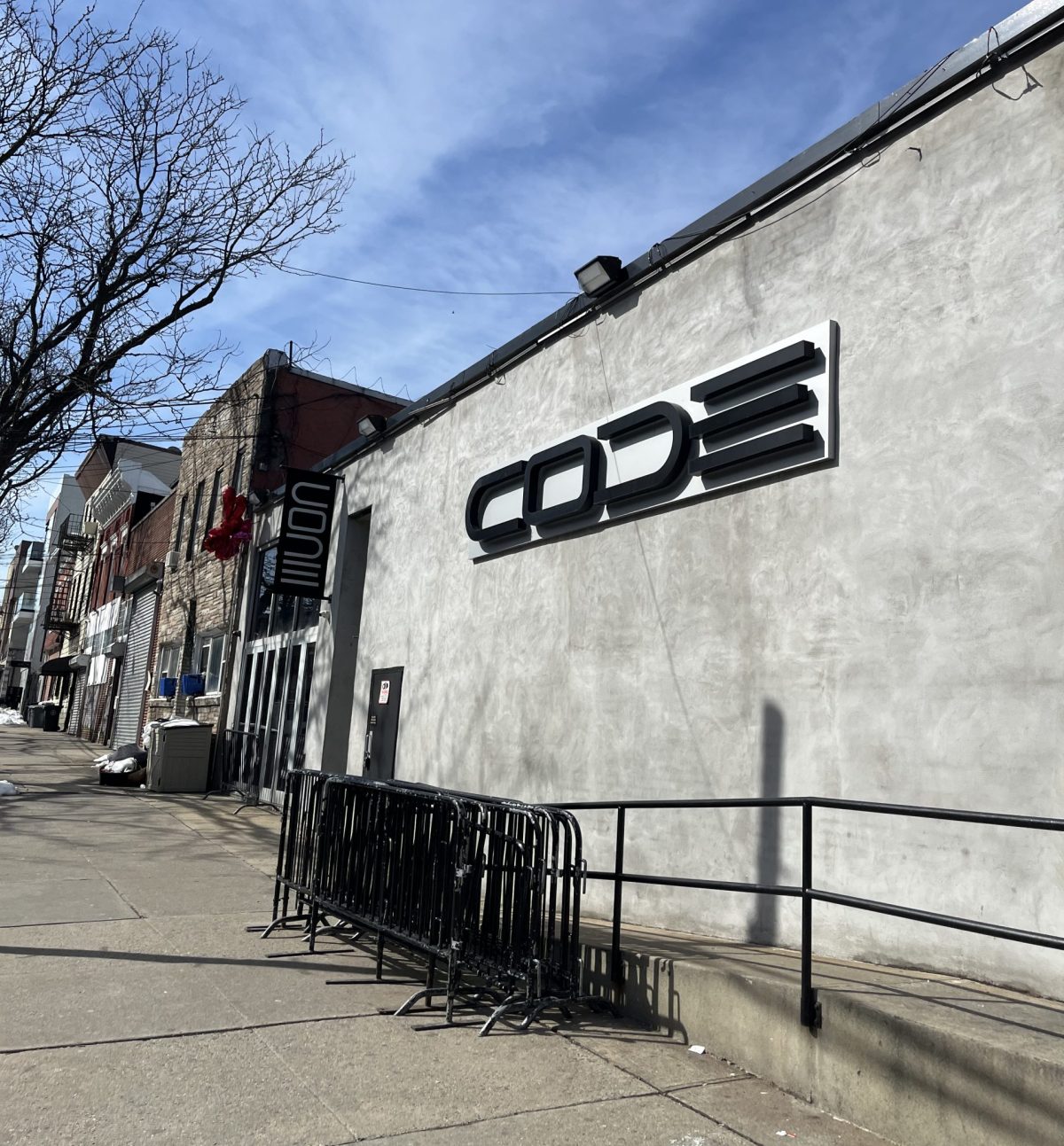
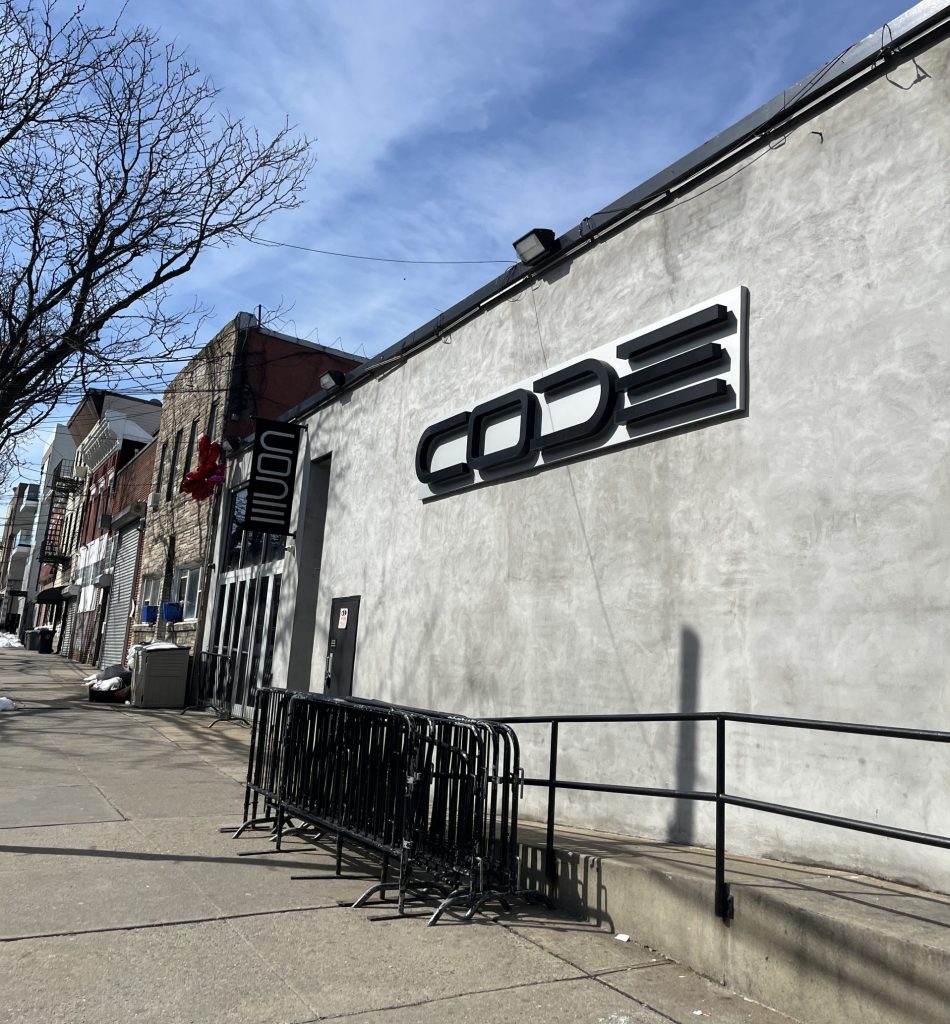
In the past year, NYPD’s 114th Precinct has issued summonses at CODE for parking violations, underage drinking, public urination, and disorderly conduct. Photo by Cole Sinanian
By COLE SINANIAN
cole@queensledger.com
STEINWAY — Astoria resident Jenny was hesitant to sign the lease for her apartment on Steinway Street. The Nashville native moved to the city in September to be close to her adult sons, and was drawn to Astoria for its lively dining scene, rich culture and quieter streetscape compared to Manhattan.
But when she asked her broker if CODE — a nearby nightclub located at 20-30 Steinway — was loud or disruptive, the broker accused her of being a “difficult tenant.” Despite her reservations she decided to sign the lease. She will not be renewing it.
“I will be leaving in September,” Jenny said. “I won’t live here any longer because of CODE.”
The nightclub, which opened in 2023, has made headlines recently for its loud weekend parties that reach into the early morning, often sending intoxicated patrons to spill into the surrounding residential streets when the club closes at 4am Thursdays-Sundays. Neighbors describe street fights, underaged drinking, drag racing, drunk driving, shouting and constant honking that makes it hard to sleep. Ineffective enforcement, meanwhile, has brought little relief despite hundreds of police summonses and 311 complaints, neighbors say.
The nightclub also operates a valet service, which residents allege blocks bus stops and parking spots, and has at times led to potentially dangerous situations.
“The valet, I’ve seen them push people that couldn’t stand up in a car to drive,” Jenny said. “They’re entitled to have a club, I get it,” she continued. “It’s just the congregating, the cars, it’s like everyone that comes out and gets in a car wants to lay on their horn, or they’re racing. It’s almost like 20th is a drag strip.”
Police with the 114th Precinct have issued 170 summonses for parking violations and eight criminal court summonses since the start of 2025, according to information provided by a spokesperson for the NYPD’s Deputy Commissioner of Public Information (DCPI). On January 1, 2026, officers responded to a 911 call for underage drinking at CODE, resulting in two criminal court summonses. On December 27, 2025, officers conducted a noise inspection using a decibel meter in several locations around the establishment, yielding negative results. More recently, on March 1, 2026, officers from the 114th conducted an inspection at CODE, resulting in 12 criminal court summonses, as well as two summonses for public urination.
Jenny declined to give her full name for fear of doxxing and harassment. On February 16, the local Fox5 news channel aired a segment on CODE, during which neighbors described piles of vomit on the street in the morning and accidents caused by club patrons drunk driving. The names, license plates, and addresses of the neighbors interviewed were revealed during the segment, causing alarm among some Astorians on the internet.
“They doxxed the neighbors, first and last names,” wrote one Reddit user. “Then showed their apartment buildings, license plates, and even zoomed in on a second story window.
CODE management did not respond to the Journal’s requests for comment. Property record database ACRIS shows that the property is owned by the private equity firm Simon Equity Partners. The building that’s now CODE was previously a club called Central, which Queens Community Board 1 District Manager Florence Koulouris described as a “Mediterranean upscale lounge.” Koulouris said her office rarely received complaints about Central, which went out of business during COVID.
Koulouris urged concerned residents to call 311 with their complaints about CODE. This way, she said, authorities can use the threat of fines to compel CODE management to comply with local law. But Koulouris also acknowledged the difficulty in enforcing noise complaints and disturbances that occur outside of CODE premises. The community board can only revoke the business’s liquor license, for example, for violations occurring on the property itself.
“The issues are from patrons who left the scene, but it didn’t happen on the premises,” she said. “When you’re talking about a liquor license, the effect of the liquor license has to be within the doors of the premises. If it’s happening in the street, it’s a different agency.”